ASTERO UTILITIES
Municipal Power Infrastructure
Reliable Local Power for Public Infrastructure
Municipalities, public utilities, water authorities, port authorities, and regional infrastructure agencies need dependable power to support essential services, water systems, industrial growth, emergency operations, and long-term community resilience.
Astero helps public-sector infrastructure owners evaluate whether local subsurface resources, utility corridors, water systems, wells, brownfield sites, public land, and industrial infrastructure can support a staged municipal power pathway. The goal is to give public decision-makers a disciplined way to evaluate local power potential before committing to major capital development.
PUBLIC INFRASTRUCTURE POWER
Power as Local Infrastructure
Municipal Power Is Becoming a Planning Constraint
Municipalities and public utilities are being asked to support more electric demand, more water infrastructure, more critical services, more industrial development, and more resilience with power systems that are often constrained by regional transmission, interconnection timelines, purchased-power volatility, and aging infrastructure.
Astero helps public-sector infrastructure owners evaluate whether local subsurface resources, existing utility corridors, water systems, wells, public land, brownfield sites, and industrial infrastructure can support a durable municipal power pathway.
UTILITY NEED
The Municipal Power Challenge
Capacity, Reliability, and Resilience Are Converging
For cities, public utilities, water authorities, port authorities, and regional infrastructure agencies, power is no longer only a commodity purchase. It is a planning constraint, an economic-development constraint, a water-system constraint, and a resilience constraint.
Municipal leaders need power solutions that can support long-term growth without forcing every decision through distant generation, congested transmission, or uncertain interconnection schedules.
Municipal systems are facing rising demand from population growth, public facilities, industrial development, electrification, data infrastructure, ports, and regional economic expansion.
Load Growth
Grid Constraints
Transmission congestion, delayed interconnection, and limited local capacity can slow development and reduce a community’s ability to serve new demand.
Water treatment, wastewater treatment, emergency operations, public safety, communications, hospitals, and civic facilities need reliable power continuity.
Critical Services
Municipal utilities and public power systems can face long-term exposure to price volatility, supply uncertainty, and limited local control.
Purchased-Power Exposure
Public land, brownfield sites, utility corridors, wells, water systems, and industrial assets may hold more value than current use reflects.
Infrastructure Underuse
MUNICIPAL RESILIENCE
Power for Essential Services
Municipal resilience begins with the systems that must continue operating during stress: water, wastewater, emergency services, public safety, communications, hospitals, ports, and core public facilities.
Astero evaluates whether local subsurface power can support these essential services through staged, infrastructure-grade development tied to local resources and local demand.
Critical Public Infrastructure Needs Continuous Energy
Water Treatment
Reliable power for treatment facilities, pumping systems, control systems, and distribution operations.
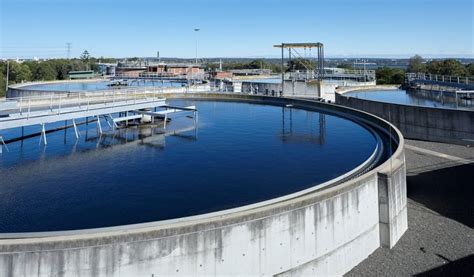
Wastewater Systems
Power support for lift stations, treatment plants, biosolids handling, and continuous wastewater operations.
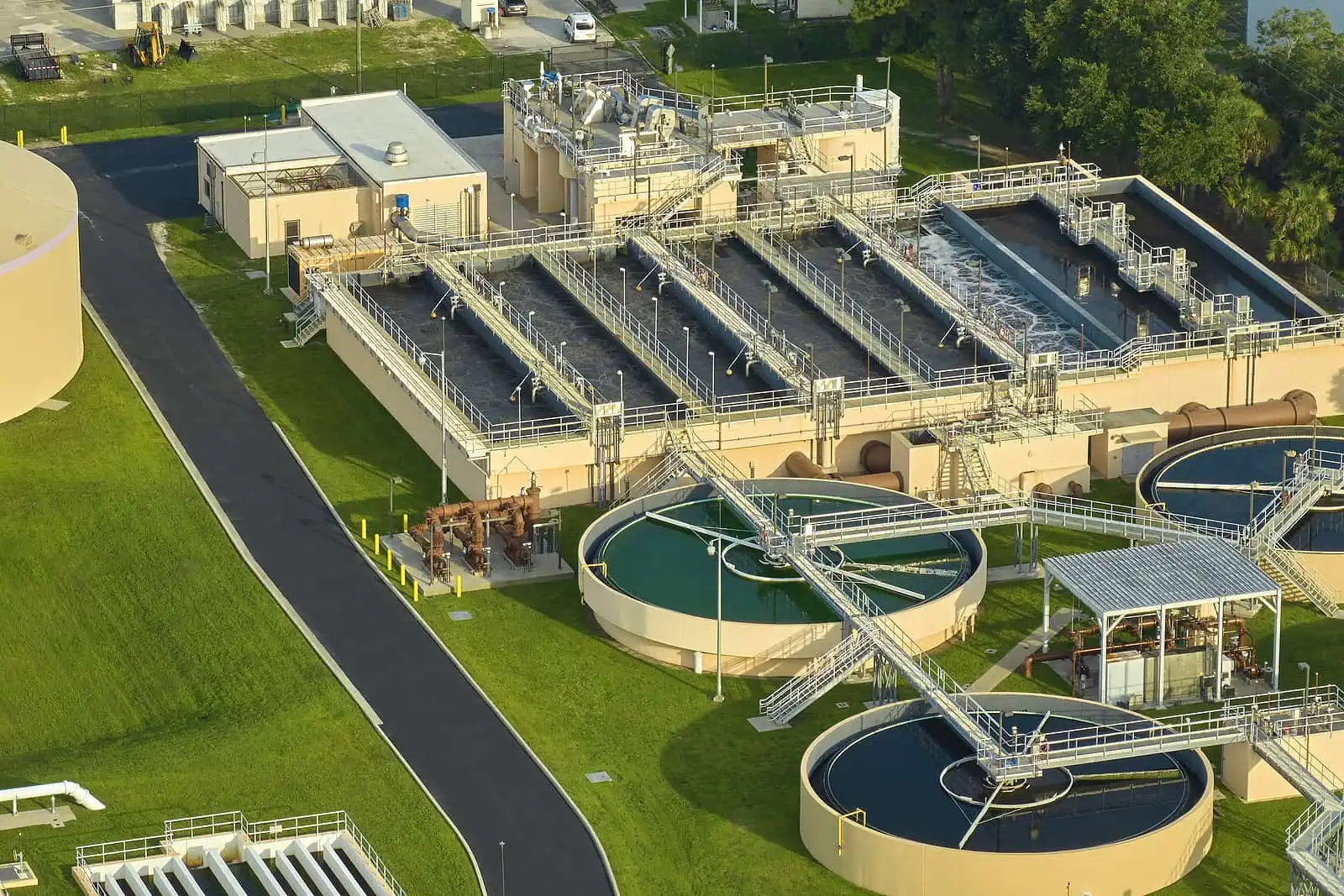
Emergency Services
Support for emergency operations centers, public safety facilities, dispatch, communications, and disaster response.

Public Facilities
Power planning for city halls, schools, public works yards, public hospitals, civic campuses, and regional service centers.

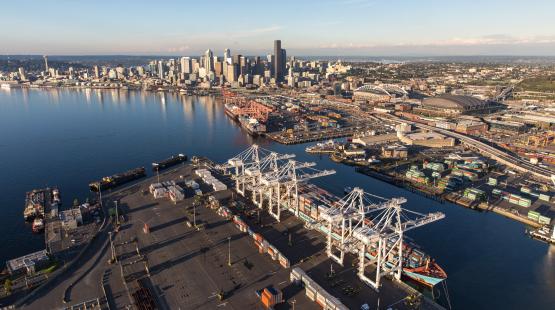
Ports and Industrial Districts
Local power support for port authorities, industrial parks, logistics corridors, shipyards, manufacturing, and other high-demand public infrastructure zones.
WATER INFRASTRUCTURE
Water System Power
Critical Power Reliability
Water and wastewater systems are among the most important continuous power users in a community. They require energy for pumping, treatment, conveyance, pressure management, monitoring, controls, and emergency operation.
Astero’s platform is especially relevant where baseload power reliability is required for municipal water systems, produced-water systems, subsurface resources, injection capacity, industrial water handling, or regional water infrastructure.
Water and wastewater systems require dependable power for pumps, lift stations, pressure control, and treatment operations.
Continuous Pumping Loads
Existing Rights-of-Way
Municipal utility corridors, pipeline corridors, access roads, and public works properties may support energy infrastructure planning.
Where local geology and regulation allow, subsurface systems may support closed-loop fluid movement, reinjection, and long-duration energy operation.
Reinjection Potential
Power infrastructure can be evaluated alongside water-system continuity, storm recovery, drought planning, emergency response, and public-service reliability.
Resilience Planning
LOCAL CAPACITY
Relieve Grid Constraint Pressure
Local Generation Can Support Local Load
Many communities are not limited by ambition. They are limited by power delivery. Interconnection delays, transmission constraints, substation capacity, and regional congestion can slow housing, industry, ports, data infrastructure, and public works development.
Astero helps evaluate whether a municipality can add firm local power capacity near the load, reducing dependence on distant generation and creating a more flexible long-term infrastructure plan.
Substation Support
Evaluate how local generation could integrate with existing substations, transformers, switchgear, and distribution assets.
Behind-the-Meter Public Loads
Assess opportunities to support water plants, wastewater facilities, public works yards, municipal campuses, or industrial districts directly.
Distribution Resilience
Support local circuits, critical feeders, public-service loads, and resilience zones.
Regional Planning
Help public agencies evaluate power availability as part of broader land, water, industrial, port, and economic-development planning.
LOCAL ASSET VALUE
Reuse Underused Public Assets
Municipal Power Can Begin With Assets a Community Already Has
Many municipalities and regional agencies control land, corridors, wells, water assets, former industrial properties, utility yards, and brownfield sites that may be suitable for evaluation.
Astero helps determine whether these assets can become part of a staged local power platform rather than remaining underused, stranded, or disconnected from long-term energy planning.
Public Land
Utility yards, public works properties, water facilities, industrial development areas, and municipal land holdings.
Brownfield Sites
Former industrial properties, retired energy sites, port-adjacent land, rail-served sites, and redevelopment districts.
Existing Wells
Legacy wells, water wells, injection wells, or nearby subsurface assets that may support further technical review.
Utility Corridors
Rights-of-way, pipelines, transmission corridors, roads, and distribution infrastructure.
Industrial Infrastructure
Port districts, manufacturing zones, logistics hubs, wastewater systems, and regional energy corridors.
PUBLIC CAPITAL DISCIPLINE
Stage Capacity With Confidence
Municipal Energy Projects Need Measured Confidence Before Full Buildout
Public-sector infrastructure decisions require technical discipline, budget discipline, public confidence, and long-term accountability. Astero’s approach is staged so municipalities can move from evaluation to validation to first power to expansion based on measured resource performance.
The objective is not to overbuild. The objective is to determine whether local infrastructure can support a reliable, scalable, ratepayer-conscious power pathway.
Screen the Opportunity
Review local load, land, infrastructure, water systems, wells, grid constraints, and subsurface potential.
Validate the Resource
Assess temperature, pressure, flow potential, chemistry, deliverability, reinjection, and operating requirements.
Define the First Project
Size the initial power block around validated conditions, public priorities, electrical delivery, and critical loads.
Connect Local Demand
Integrate with municipal facilities, substations, water systems, industrial districts, or port infrastructure.
Expand With Evidence
Add capacity only as operating data, resource performance, community demand, and capital planning support expansion.
DEPLOYMENT PATHWAYS
Multiple Public Power Pathways
Astero Can Support Different Municipal Power Models
Each municipality has a different asset base, demand profile, grid position, and public mandate. Astero evaluates the correct pathway based on local conditions rather than forcing a single deployment model.
Municipal Facility Support
Power support for water treatment, wastewater treatment, public works, emergency services, and civic facilities.
Municipal Microgrid
Local power architecture serving a defined public-service district, resilience zone, or utility-controlled load center.
Industrial District Power
Power support for port authorities, manufacturing zones, logistics hubs, redevelopment areas, and public economic-development sites.
Public Utility Capacity
Firm local generation that can support public power portfolios, resource adequacy, distribution planning, and local reliability.
Regional Infrastructure Platform
Larger-scale deployment across public land, utility corridors, water systems, wells, industrial districts, and regional load centers.
PUBLIC OUTCOMES
Long-Duration Community Power
Astero Helps Communities Evaluate Power as Infrastructure
Astero’s municipal power approach helps public-sector decision-makers evaluate power in the same way they evaluate water, roads, ports, public safety, and long-term infrastructure systems: locally, durably, and with disciplined planning.
Reliable Local Power
Evaluate continuous power that can be developed closer to public and industrial demand.
Critical-Service Resilience
Support essential infrastructure that must operate during grid stress, storms, emergencies, and regional disruption.
Grid Constraint Relief
Reduce dependence on distant generation, congested transmission, and slow interconnection pathways.
Water-System Continuity
Integrate energy planning with water treatment, wastewater treatment, pumping, and utility operations.
Brownfield Reuse
Reposition underused public land, wells, utility corridors, and industrial sites as long-term infrastructure assets.
Public Capital Discipline
Stage development based on measured resource confidence, public need, and capital planning discipline.
START MUNICIPAL POWER EVALUATION
Evaluate Your Local Power Pathway
Determine Whether Local Infrastructure Can Support Long-Term Power
Astero helps municipalities, public utilities, water authorities, port authorities, and regional infrastructure agencies evaluate whether local subsurface resources, wells, water systems, utility corridors, brownfield sites, public land, substations, and critical loads can support long-term municipal power infrastructure.
The first step is not a full buildout commitment. It is a disciplined evaluation of resource potential, site constraints, infrastructure integration, power demand, water-system continuity, public capital requirements, and staged deployment options.
Preliminary Site Evaluation Information