SUBSURFACE POWER PLATFORM
Power From the Reservoir Up
Continuous, Scalable Power From an Integrated Closed-Loop Subsurface Energy System
Astero evaluates and develops subsurface resource systems as integrated power infrastructure. The platform connects reservoir intelligence, well performance, produced-fluid throughput, surface conversion, conditioning, reinjection, and electrical delivery into one coordinated architecture.
Where technically, commercially, and regulatorily supported, the Astero platform can help convert subsurface heat, pressure, flow, and molecular potential into long-duration power pathways for utilities, industrial loads, data centers, operators, municipalities, and infrastructure owners.
PLATFORM DEFINITION
A Complete Power System
Subsurface Power Requires Reservoir, Surface, and Electrical Systems Working Together
Astero’s platform is designed around the full energy pathway. The resource begins in the reservoir, moves through the well system, aggregates through surface infrastructure, converts through modular equipment, conditions through fluid-management systems, reinjects through a controlled loop, and delivers power through electrical infrastructure.
The value is not in any one component alone. The platform value comes from system integration.
Reservoir Intelligence
Astero begins by evaluating whether the subsurface system can support sustained energy production. Reservoir pressure, temperature, permeability, deliverability, chemistry, flow behavior, and reinjection capacity determine whether a platform pathway is credible.
Surface Conversion Architecture
Produced fluids may carry thermal, hydraulic, pressure, and molecular energy. Astero evaluates how those energy domains can be converted through modular surface equipment without treating the plant as separate from the reservoir.
Closed-Loop Continuity
The system must remain connected after conversion. Conditioning, reinjection, monitoring, operating control, and power delivery must work together to support continuity and long-duration infrastructure value.
Identify Unrealized Asset Value
Astero helps project teams evaluate remaining unrealized asset value opportunities that will reduce operating expenses, provide additional revenue streams and extend the useful life of operations.
WHY SUBSURFACE POWER
Power Demand Is Outgrowing Conventional Delivery
Continuous Baseload Power
Large loads increasingly depend on power availability, fuel continuity, transmission access, permitting timelines, water management, site constraints, and long-duration reliability. Subsurface power provides a different development path where the resource, surface infrastructure, and load can be evaluated together.
Astero’s role is to determine whether a specific subsurface resource system can support a credible power pathway.
Continuous Resource Potential
Subsurface systems may provide stored heat, pressure, flow, and molecular energy that can be evaluated for continuous power development.
Site-Controlled Infrastructure
Many projects already contain roads, pads, wells, tanks, pipelines, substations, rights-of-way, or operating corridors that may support power redevelopment.
Local Load Alignment
The strongest projects connect resource potential to a defined power need, such as field power, industrial load, utility support, municipal resilience, or high-load digital infrastructure.
Long-Duration Value
When the subsurface system is technically suitable, the platform may support staged development rather than a one-time single-asset deployment.
ENERGY DOMAINS
Heat, Pressure, Flow, and Molecules May Work Together
Astero’s platform evaluates the combined energy potential of subsurface fluid systems. A project may rely on one dominant pathway or a hybrid relationship between thermal, hydraulic, pressure, and molecular energy.
Not every site contains all pathways. The platform is designed to qualify what is technically recoverable and commercially meaningful.
Multi-Modal Energy Integration
Thermal Energy
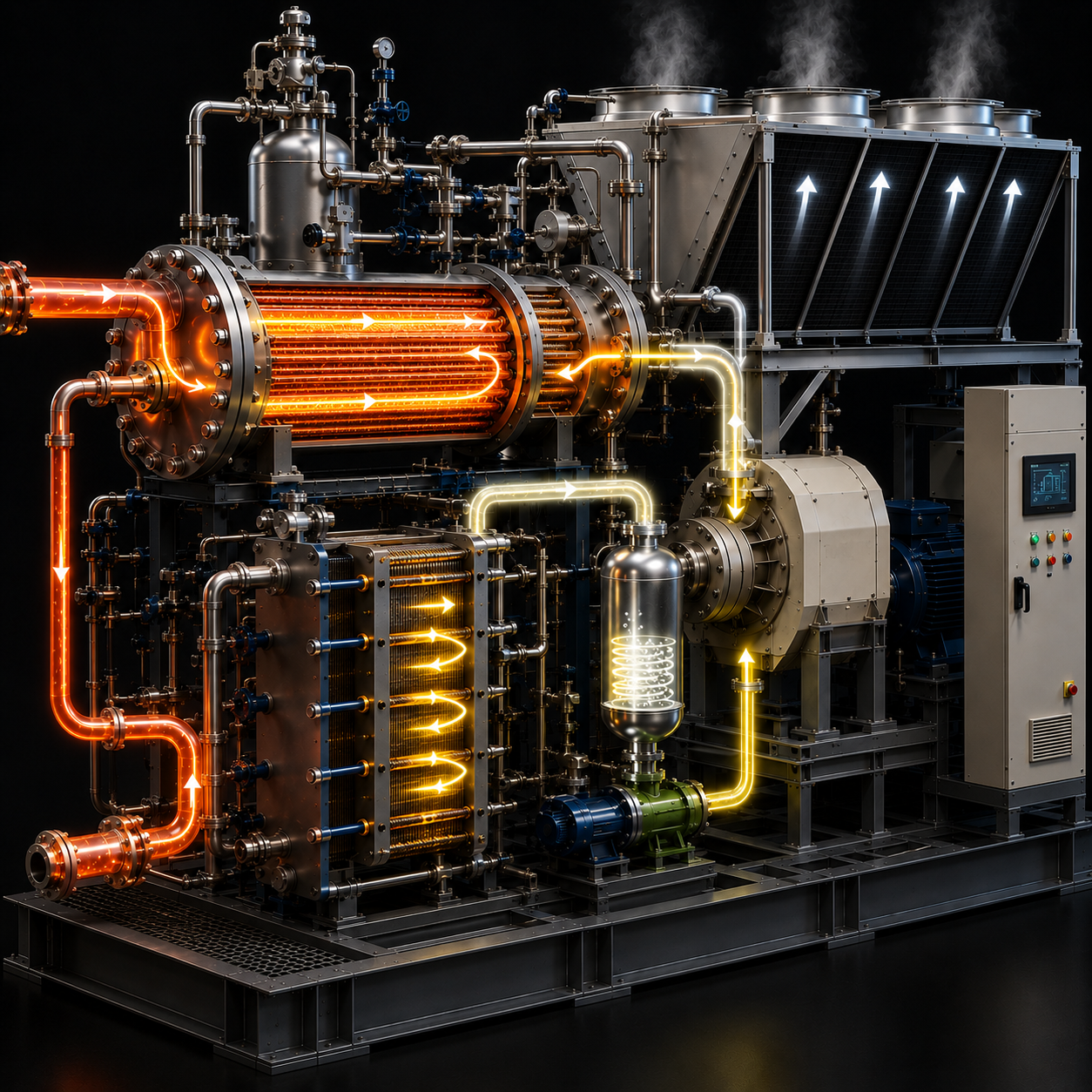
Produced fluids may carry heat that can support organic Rankine cycle, heat-transfer, or other thermal conversion pathways where temperature, flow rate, and operating conditions are suitable.
Kinetic Energy
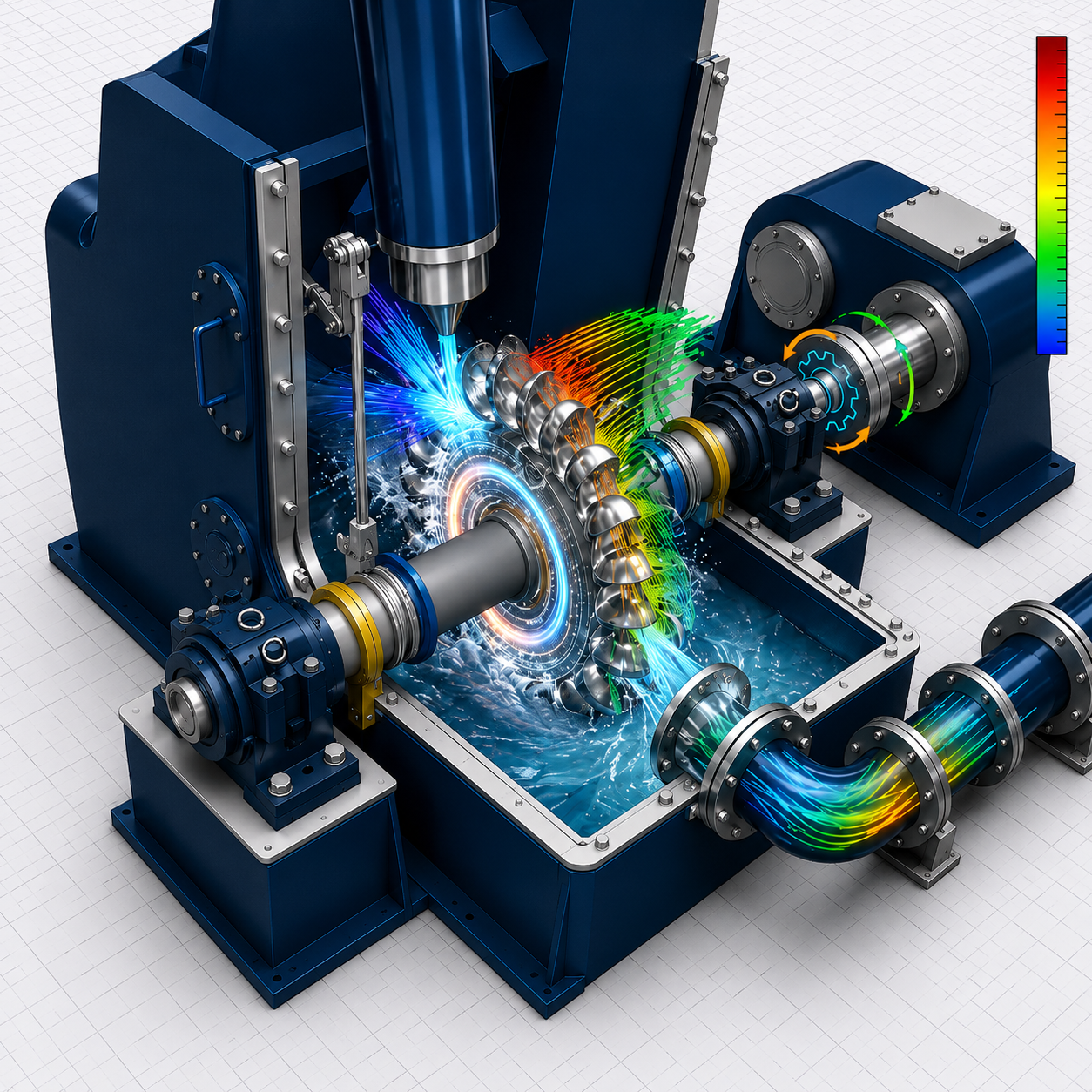
Fluid pressure, flow rate, and pressure drop may support hydraulic recovery, pressure-management, or flow-through conversion where system design allows practical energy capture.
Molecular Energy
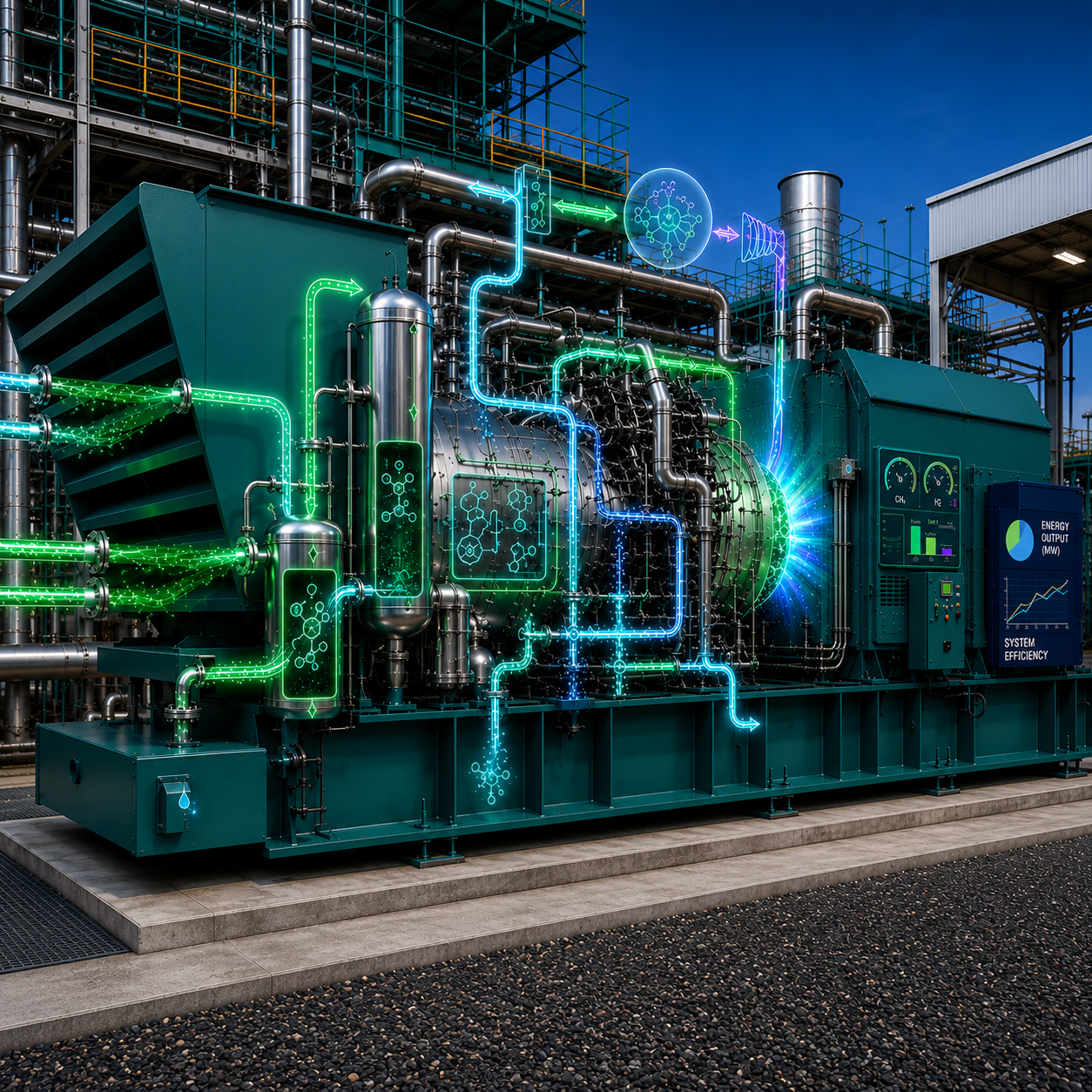
Dissolved or associated gases and other molecular energy streams may support additional conversion pathways where chemistry, separation, handling, and permitting allow.
Resource Recovery
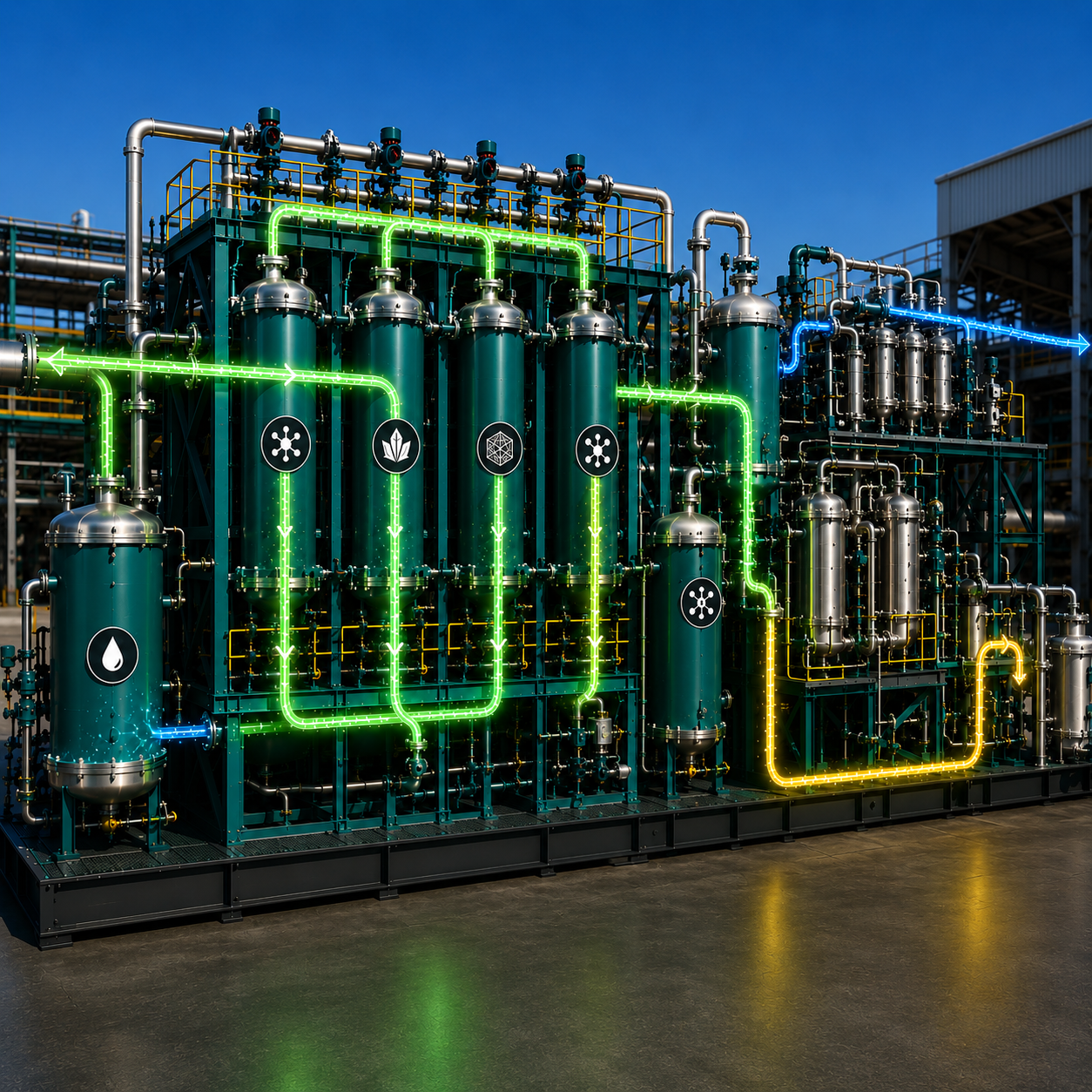
Certain brines or produced-fluid streams may contain mineral, carbon, or water-management opportunities. These are optional pathways and must not be assumed without project-specific validation.
CLOSED-LOOP ARCHITECTURE
Produce, Convert, Condition, and Reinject
Power Generation is Connected to the Complete Fluid Cycle
Astero’s platform depends on continuity. The produced-fluid system is evaluated as a series of process steps, not as an individual step. Sustainable energy production is based upon a closed-loop process.
Production, aggregation, conversion, conditioning, reinjection, monitoring, and power delivery must remain technically and commercially aligned.
Process Steps
Produce the Resource
Wells produce the fluid stream from a qualified subsurface system with sufficient deliverability, temperature, pressure, chemistry, and operating continuity.
Aggregate the Flow
Local tie-ins and gathering systems aggregate flow into a controlled trunk pathway sized around sustained throughput.
Convert Available Energy
Modular surface equipment converts available thermal, hydraulic, pressure, or molecular energy into useful power.
Condition the Fluid
After conversion, the fluid is conditioned for reinjection, handling, water management, or other approved downstream pathways.
Reinject and Monitor
The system reinjects through a separate monitored injection pathway where reservoir, pressure, chemistry, and regulatory conditions support continuity.
Deliver Power
Electrical systems connect generation to field power, industrial load, grid support, microgrid infrastructure, or other approved offtake pathways.
RESERVOIR-TO-PLANT DESIGN
Resource-Driven Power Generation
Power Output Begins With Deliverability
Astero evaluates the subsurface and surface system together before defining a power pathway. A plant that is oversized for the resource creates risk. A plant that ignores reinjection continuity may not support long-duration operation. The platform must be sized around validated resource behavior.
Can the reservoir sustain the required flow rate, pressure support, and fluid production profile?
Reservoir Deliverability
Well Productivity
Can the well system deliver the required rate without compromising integrity, operating reliability, or development economics?
Can gathering, trunk pipelines, conditioning, and conversion equipment handle the required volumes and pressure conditions?
Surface Throughput
Can the fluid be reinjected or managed in a way that supports continuity, pressure control, and regulatory compliance?
Reinjection Capacity
Can the electrical system deliver useful power to the intended load, interconnect, microgrid, or behind-the-meter application?
Electrical Output
Evaluate Infrastructure Delivery
Astero can help review whether the reservoir, wells, fuel pathway, surface facilities, interconnection, and power delivery architecture are aligned with the required load profile, reliability target, schedule, and expansion plan before major capital is committed.
SYSTEM COMPONENTS
The Platform Connects the Entire Energy Pathway
Each Component Must Support the Same Power Objective
The Astero platform integrates subsurface, mechanical, fluid, electrical, and control systems into a coordinated pathway. Each part of the system must support the same operating case and commercial objective.
Reservoir System
Subsurface heat, pressure, flow, chemistry, permeability, porosity, compartmentalization, and reinjection response.
Well System
Production wells, injection wells, integrity, completion design, productivity, injectivity, monitoring, and operating envelopes.
Fluid Transmission
Side manifold low friction design, controlled aggregation, custom designed thermally insulated penstock, engineered capacity, pressure management, and expandability.
Modular Conversion
Thermal, hydraulic, pressure, molecular, and electrical conversion equipment arranged in modular power blocks.
Fluid Processing
Separation, conditioning, closed-top tanks, pumps, injection pipelines, monitoring, and reinjection control.
Electrical Delivery
Generators, switchgear, transformers, control systems, grid interconnection, microgrid infrastructure, and behind-the-meter delivery.
MODULAR SCALING
Phased Development Capability
Power System Performance Validation
Subsurface power development should follow validated performance. The platform can begin with screening and validation, advance to initial power modules, and expand as flow, temperature, pressure, reinjection, demand, and economics are proven.
Initial Screening
Evaluate whether the reservoir, wells, infrastructure, and demand justify deeper technical review.
Validation Program
Confirm throughput, temperature, pressure, chemistry, reinjection behavior, and surface-system requirements.
First Power Block
Deploy an initial modular conversion and delivery block sized to the validated resource and demand case.
Staged Expansion
Add capacity as resource performance, electrical demand, commercial structure, and operating history support expansion.
Move From Concept to Defined Development Pathway
Astero does not assume that every reservoir, well system, or produced-fluid stream can support power. The platform evaluates technical, commercial, regulatory, and infrastructure conditions together before defining a development pathway.
SURFACE | SUBSURFACE INTEGRATION
Consolidated System Engineering
Reservoir, Wells, Fluids, Equipment, Reinjection, and Power Demand Must Be Designed Together
Astero’s platform is designed to prevent disconnected decisions. The reservoir cannot be evaluated separately from the wells. The wells cannot be evaluated separately from throughput. The plant cannot be evaluated separately from reinjection or demand. The power pathway depends on the complete system.
Subsurface Model
Defines the resource envelope, uncertainty, and performance assumptions.
Well Architecture
Defines production and injection pathways, integrity, productivity, and operating control.
Gathering System
Defines how fluid reaches the plant and how throughput can scale.
Conversion Plant
Defines the energy pathway, module sizing, and power-output architecture.
Reinjection System
Defines the continuity pathway required after conversion and conditioning.
Electrical System
Defines how power reaches the intended use case, from field power to high-load demand.
APPLICATION CONTEXTS
Subsurface Power May Serve Multiple Infrastructure Markets
The Same Platform Logic Can Apply Across Different Asset Environments
Astero evaluates subsurface power opportunities where resource potential, infrastructure, and demand can be aligned. The application may differ by site, but the evaluation logic remains the same: qualify the resource, design the system, validate continuity, and connect to a defined power use.
Resource Owners | Operators
Evaluate existing wells, mature fields, produced-fluid systems, injection capacity, and operating corridors for new power pathways.
Mature Field Redevelopment
Use retained infrastructure, high-water-cut production, and existing field systems as a starting point for new energy infrastructure.
Produced Water to Power
Evaluate whether produced-fluid throughput can support thermal, hydraulic, pressure, molecular, or hybrid power conversion.
Data Centers | High-Load Power
Assess whether subsurface power can support continuous, scalable, site-adjacent power for high-load infrastructure.
Utilities | Municipalities
Evaluate long-duration power, resilience, local generation, water-management alignment, and infrastructure expansion pathways.
Industrial | Critical Facilities
Support behind-the-meter power, industrial load growth, power resilience, and local infrastructure control where technically supported.
PLATFORM DIFFERENTIATORS
Astero Designs Around the Resource, Not Just the Plant
A credible mature-field redevelopment opportunity depends on the relationship between reservoir performance, well integrity, fluid throughput, surface infrastructure, injection capacity, power demand, regulatory conditions, decommissioning obligations, commercial structure, and project economics.
Astero evaluates these factors together before recommending validation, pilot work, staged redevelopment, or commercial planning.
The Platform Combines Subsurface Intelligence With Modular Power Architecture
The Platform Combines Subsurface Intelligence With Modular Power Architecture
Many power approaches begin at the surface. Astero begins with the resource system and works outward. The result is a platform that evaluates whether subsurface performance, existing infrastructure, reinjection continuity, and power demand can support a credible energy pathway.
Multi-Domain Energy Evaluation
Astero evaluates thermal, hydraulic, pressure, and molecular pathways together instead of assuming a thermal-only or single-stream approach
Infrastructure Reuse and Expansion
Existing wells, roads, pads, tanks, pipelines, substations, and operating corridors may improve project fit where conditions support reuse.
Resource-Based Scaling
Power capacity is tied to sustained resource performance and staged expansion rather than speculative full-scale buildout.
Closed-Loop Continuity
Production, conversion, conditioning, and reinjection are evaluated as one operating system.
PROJECT-SPECIFIC FIT
Not Every Subsurface System Supports Power Development
The Platform Is Useful Because It Qualifies What Is Real
Astero does not assume that every reservoir, well system, or produced-fluid stream can support power. The platform evaluates technical, commercial, regulatory, and infrastructure conditions together before defining a development pathway.
Temperature, pressure, permeability, porosity, chemistry, depth, continuity, and uncertainty.
Reservoir Conditions
Fluid Throughput
Sustained flow rate, pressure behavior, temperature profile, decline characteristics, and operating continuity.
Integrity, productivity, injectivity, completion design, workover requirements, and operating limits.
Well Condition
Injection capacity, pressure management, compatibility, monitoring, permitting, and long-term continuity.
Reinjection Pathway
Roads, pads, tanks, pipelines, electrical systems, substations, access, land, and expansion space.
Surface Infrastructure
Power demand, offtake, interconnection, behind-the-meter use, economics, permitting, and development schedule.
Demand and Commercial Fit
Start an Advisory Engagement
An asset redevelopment evaluation decision can determine whether an end-of-life operation can provide additional commercial value after the original objective resource is marginally or no longer economic.
Astero evaluates total asset resource commercial value that remains in exploration, development and operational assets. Contact us to explore the unrealized value for your assets.
EVALUATION PROCESS
From Resource System to Power Platform
Astero Evaluates the Resource, Infrastructure, and Power Case Together
The evaluation process is designed to move from screening to technical fit, then to system architecture and deployment readiness. The goal is to avoid premature plant sizing and instead define the pathway supported by the complete asset system.
Define the Resource System
Document field maturity, production status, wells, fluid volumes, injection systems, infrastructure, power demand, ownership, liabilities, and redevelopment objectives.
Review Wells and Infrastructure
Assess production wells, injection wells, surface equipment, tanks, gathering, pipelines, pads, electrical access, and operating constraints.
Identify Energy Pathways
Determine whether thermal, hydraulic, pressure, molecular, or hybrid conversion pathways are technically plausible.
Design the Platform Architecture
Define production, aggregation, conversion, conditioning, reinjection, power delivery, controls, and expansion logic.
Determine Readiness
Identify validation steps, capital path, commercial structure, permitting requirements, partner roles, and deployment sequence.
INFORMATION ASTERO MAY REQUEST
Platform Evaluation Starts With the Complete Asset Picture
Better Data Leads to Better Architecture
Astero may request technical, infrastructure, commercial, and operating information to evaluate whether a subsurface power platform is feasible. Early-stage discussions can begin with limited information, but stronger screening depends on more complete data.
Temperature, pressure, depth, formation data, porosity, permeability, salinity, fluid properties, production history, pressure-transient data, decline behavior, and geologic context.
Subsurface and Reservoir
Well
Well count, location, status, completions, integrity, casing/tubing data, workover history, production rates, injection capacity, and operating constraints.
Can gathering, trunk pipelines, conditioning, and conversion equipment handle the required volumes and pressure conditions?
Fluid and Chemistry
Current load, future load, reliability requirements, power quality requirements, interconnection status, behind-the-meter opportunities, and offtake structure.
Power and Load
Roads, pads, tanks, pipelines, gathering systems, pumps, separators, power systems, substations, control systems, land rights, and expansion space.
Surface Infrastructure
Ownership, leases, permits, water-handling requirements, disposal or reinjection status, grid constraints, power market context, expected development timeline, and capital structure.
Commercial and Regulatory
SUBSURFACE POWER PLATFORM
Evaluate the Resource Before Sizing the Plant
Determine Whether Your Subsurface System Can Support a Credible Power Pathway
Astero evaluates reservoir performance, well systems, produced-fluid throughput, conversion pathways, conditioning, reinjection, infrastructure, power demand, regulation, and economics as one integrated platform. The first step is to determine whether the asset system can support a technically credible and commercially useful power pathway.
RELATED PATHWAYS
Explore the Infrastructure Around Subsurface Power
Go Deeper Into the Resource, Application, and Deployment Context
Subsurface power connects to several Astero pathways, including produced-fluid conversion, resource-owner redevelopment, mature-field infrastructure, high-load power, and site evaluation.
Complete reservoir-to-power architecture connecting wells, gathering, conversion, reinjection, electrical delivery, and modular scale.
Assess whether late-life assets can support new power and infrastructure value.
Operators evaluating fields, wells, platforms, produced-fluid systems, field power, carbon pathways, and broader asset opportunities.
Evaluate continuous power pathways for large and growing load centers.
Complete reservoir-to-power architecture connecting wells, gathering, conversion, reinjection, electrical delivery, and modular scale.
Carbon management, mineral recovery, salinity management, molecular recovery, and monitored injection pathways.
Detailed surface and subsurface screening, infrastructure readiness, field-life assessment, power-demand review, and deployment planning.
Preliminary Site Evaluation Information