SURFACE | SUBSURFACE INTELLIGENCE
Evaluate Site Potential and Unlock Permanent Energy Infrastructure
Integrated evaluation and engineering advisory across surface infrastructure, subsurface reservoir systems, and long-duration power development.
Where Infrastructure Can Deliver More
Many sites already contain the infrastructure, resources, and operational demand needed to support long-duration power—but the opportunity is often hidden by conventional planning approaches.
Astero evaluates surface infrastructure, subsurface resources, and power-system integration to identify practical pathways for reliable generation, infrastructure redevelopment, and long-term asset value.
From AI campuses and utilities to industrial facilities, municipalities, and mature energy operations, Astero helps determine whether a site can support permanent energy infrastructure before major capital is committed.
SITE CONSTRAINT DIAGNOSTIC
Identify What's Limiting Your Site
Every infrastructure system is constrained differently. Identifying the limiting factors is the first step to unlocking full asset value.
Power | Load
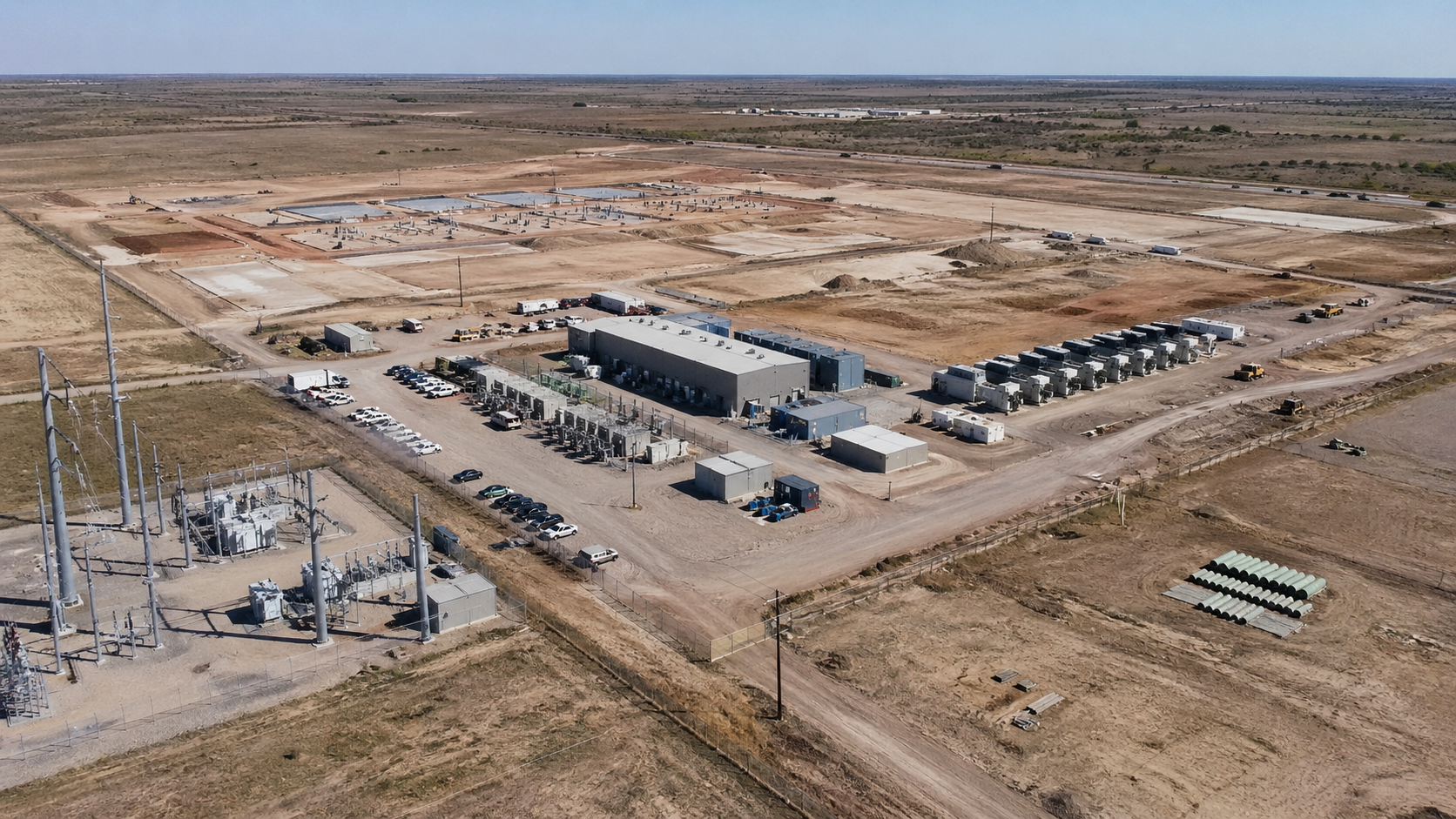
Infrastructure demand is often limited by power availability rather than physical expansion capability.
- Grid capacity constraints or delayed interconnection timelines
- Load growth exceeding available supply
- Dependence on intermittent or unreliable generation
- Limited access to continuous baseload power
What this means:
Your ability to grow is constrained by how power is delivered—not how your infrastructure is built.
Resource
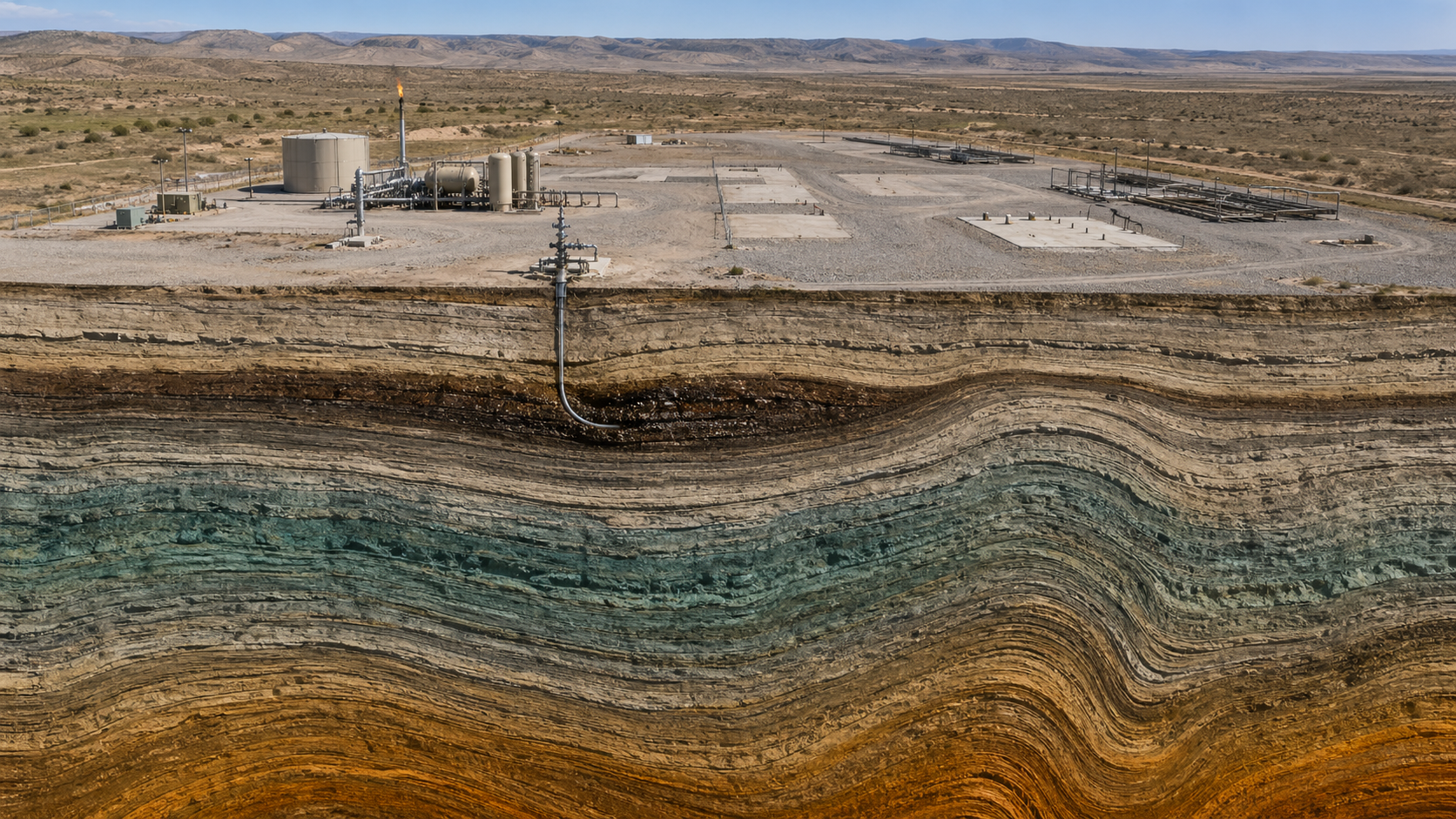
Energy may exist within the system, but all available resources may not be fully captured, converted, or utilized.
- Gas supply volatility or delivery risk
- Lack of fuel redundancy or continuity
- Underutilized subsurface thermal, pressure, or fluid resources
- Produced water and energy-carrying fluids treated as waste instead of assets
What this means:
Your system contains energy potential that is not currently being monetized.
Infrastructure
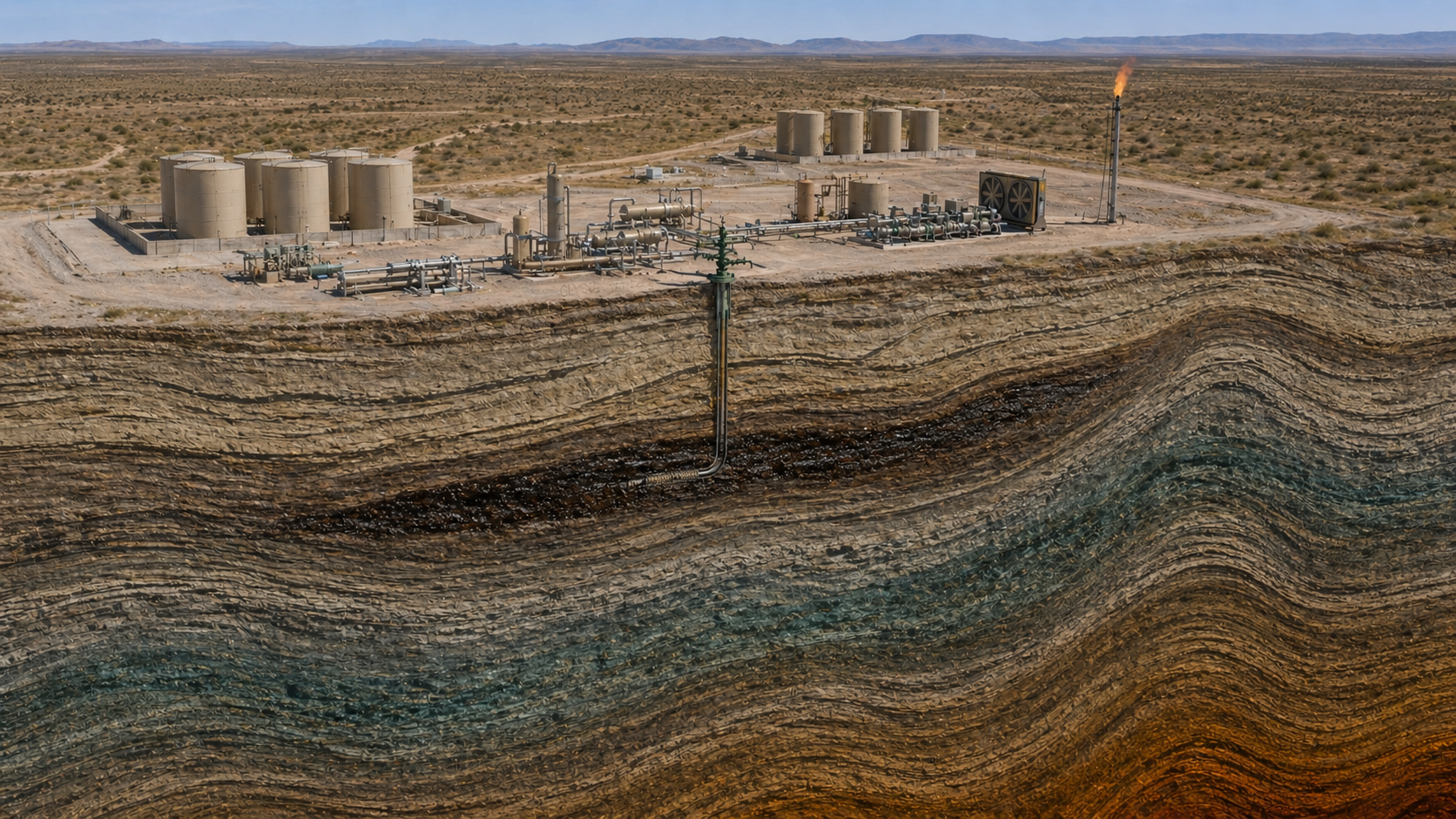
Existing assets often operate below their full economic and functional potential.
- Underutilized wells, land, interconnects, or facilities
- Brownfield inefficiencies or stranded infrastructure capacity
- Limited pathways for expansion without full system replacement
- Surface and subsurface systems not designed to operate together
What this means:
You already have valuable infrastructure—but it’s not working as a coordinated system.
Economic
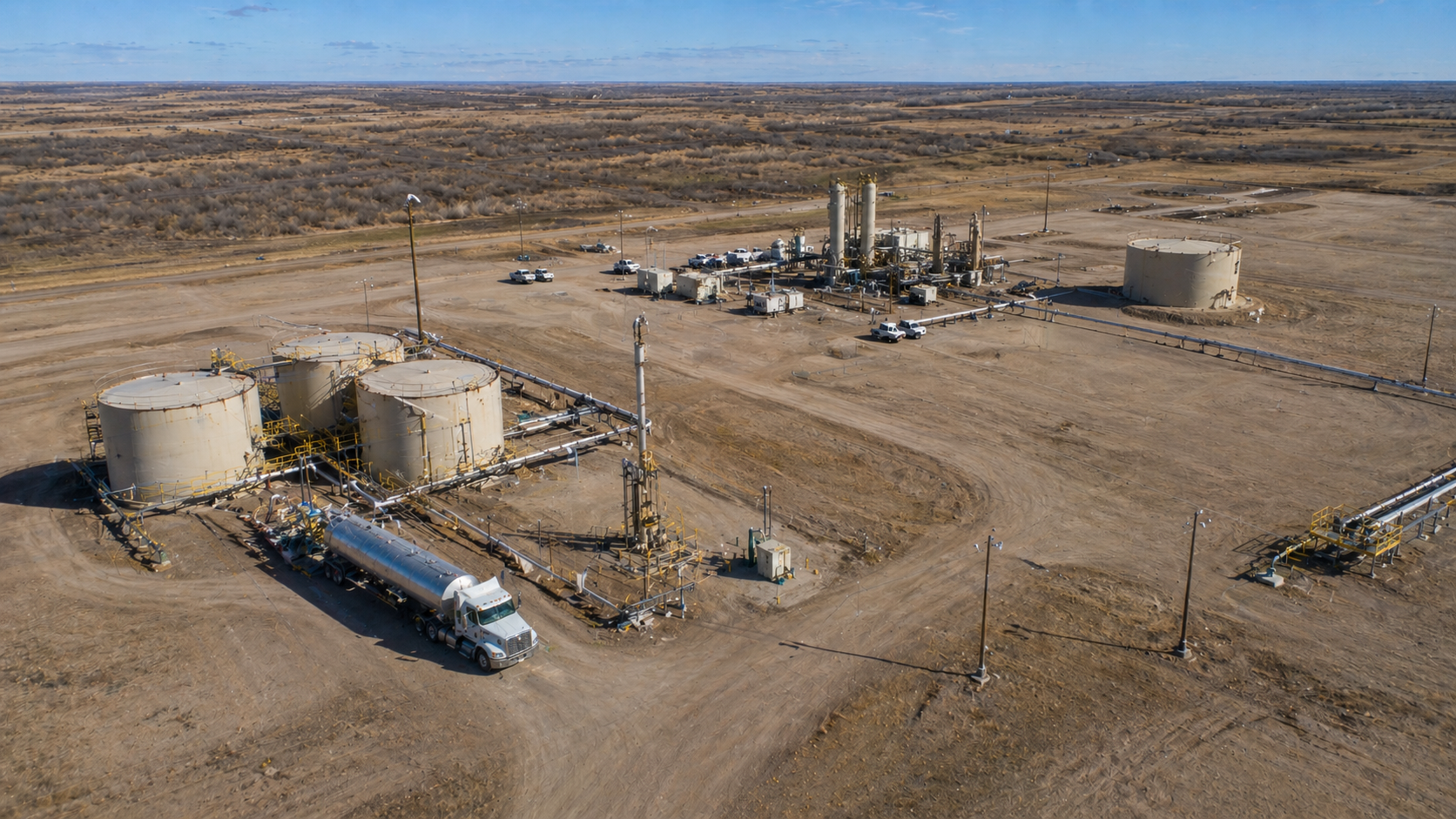
Financial performance is often limited by reliance on single source revenue pathways.
- Revenue tied to one commodity or energy stream
- Rising operating costs and margin compression
- Shortened asset life due to declining primary output
- Exposure to price volatility without diversification
What this means:
The economic model is constrained—even when the physical asset still has long-term value.
Start Your Site Evaluation
Identify what is limiting your site and define the most effective path to unlock additional capacity, resilience, and long-term infrastructure value.
DESIGN THE INTEGRATION STRATEGY
Engineering the System Around Your Constraints
Astero does not replace existing infrastructure—it integrates with it.
By combining subsurface reservoir intelligence, surface system engineering, and modular power architecture, Astero designs site-specific energy systems that convert existing assets into scalable, multi-pathway infrastructure.
Subsurface Intelligence
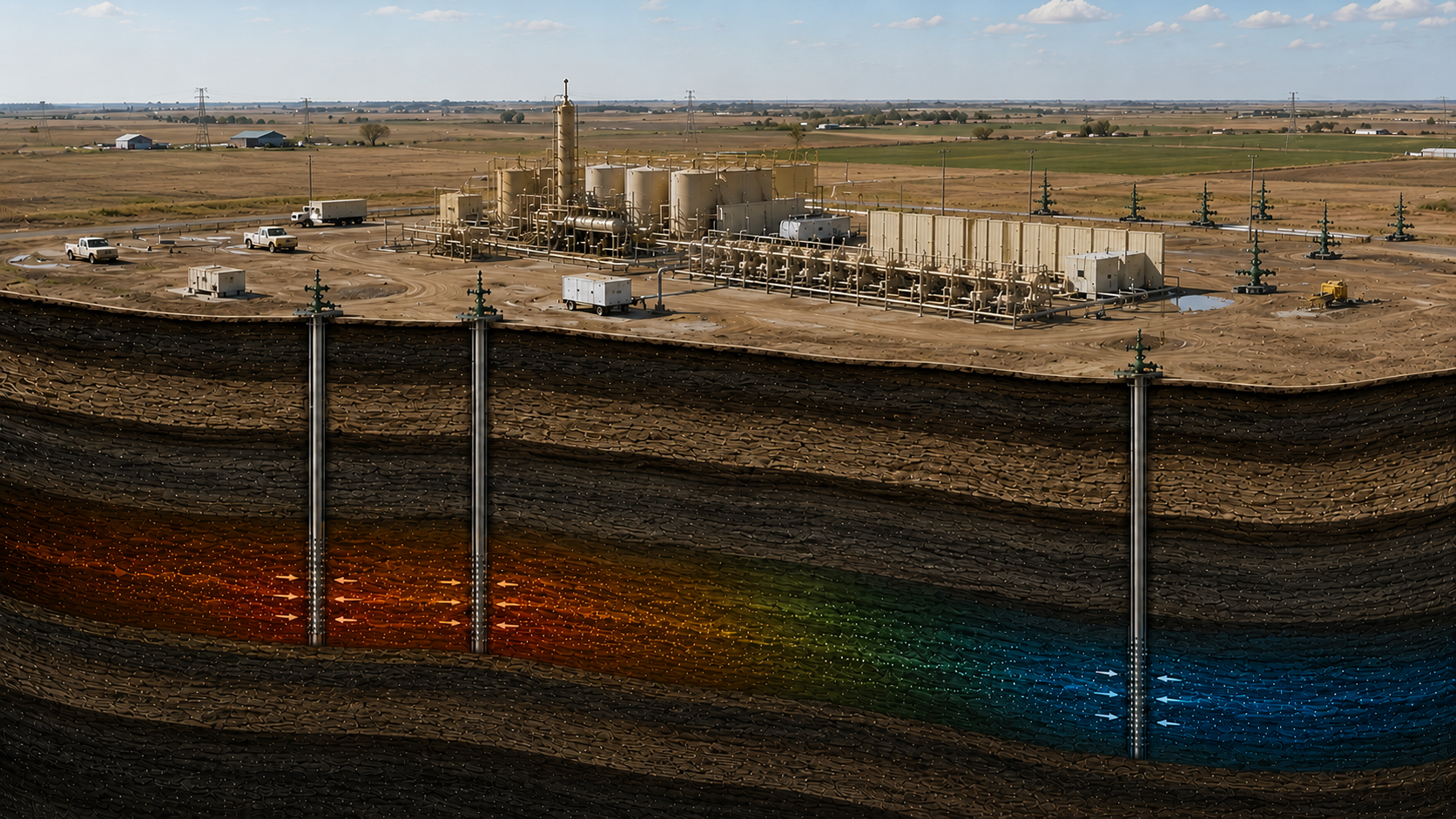
Astero evaluates the reservoir as a continuous energy system—not a single resource.
Thermal gradients, pressure regimes, fluid composition, and flow dynamics are analyzed to identify extractable energy across thermal, kinetic, and chemical domains.
This establishes the foundation for energy coproduction and long-duration system design.
Infrastructure Integration
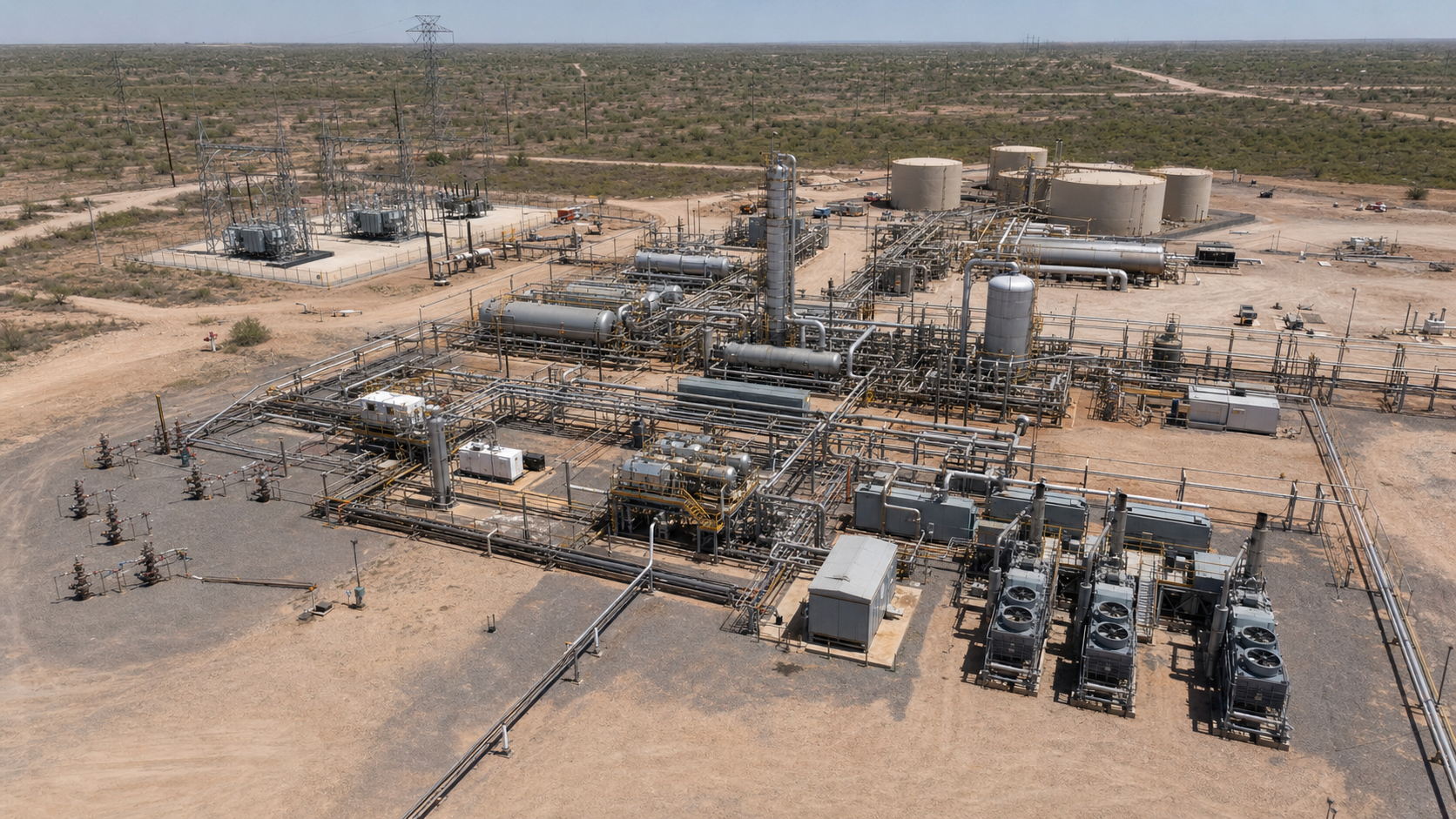
Existing wells, facilities, interconnects, and processing systems are reconfigured into a coordinated energy platform.
Rather than operating as isolated systems, surface infrastructure is aligned with subsurface conditions to enable efficient energy capture, routing, and conversion.
Power Architecture
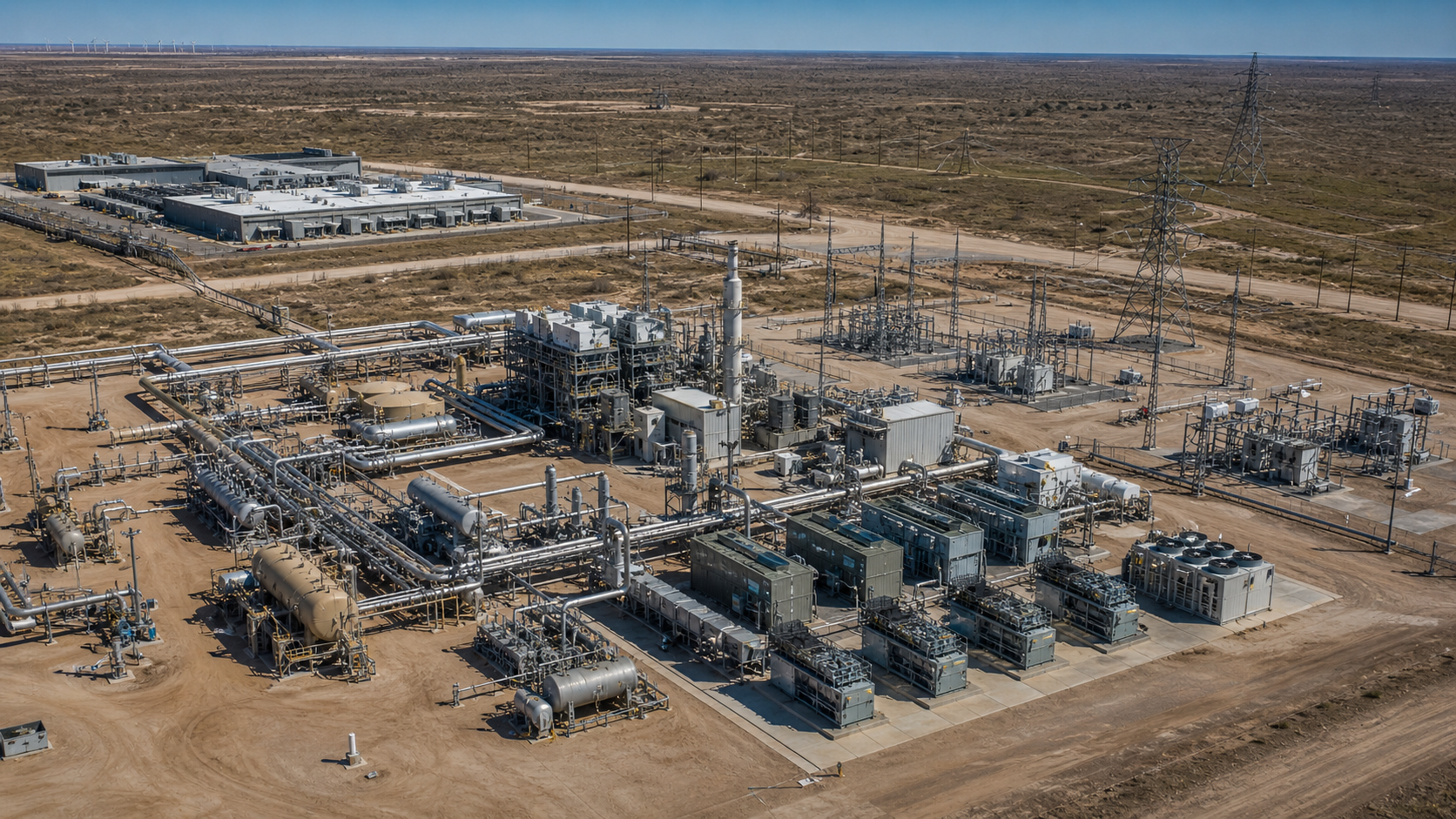
Astero defines how energy is converted into usable power across baseload generation, coproduction pathways, and behind-the-meter systems.
This includes thermal conversion, pressure-driven generation, and integration with digital infrastructure and grid-connected systems.
Deployment Strategy
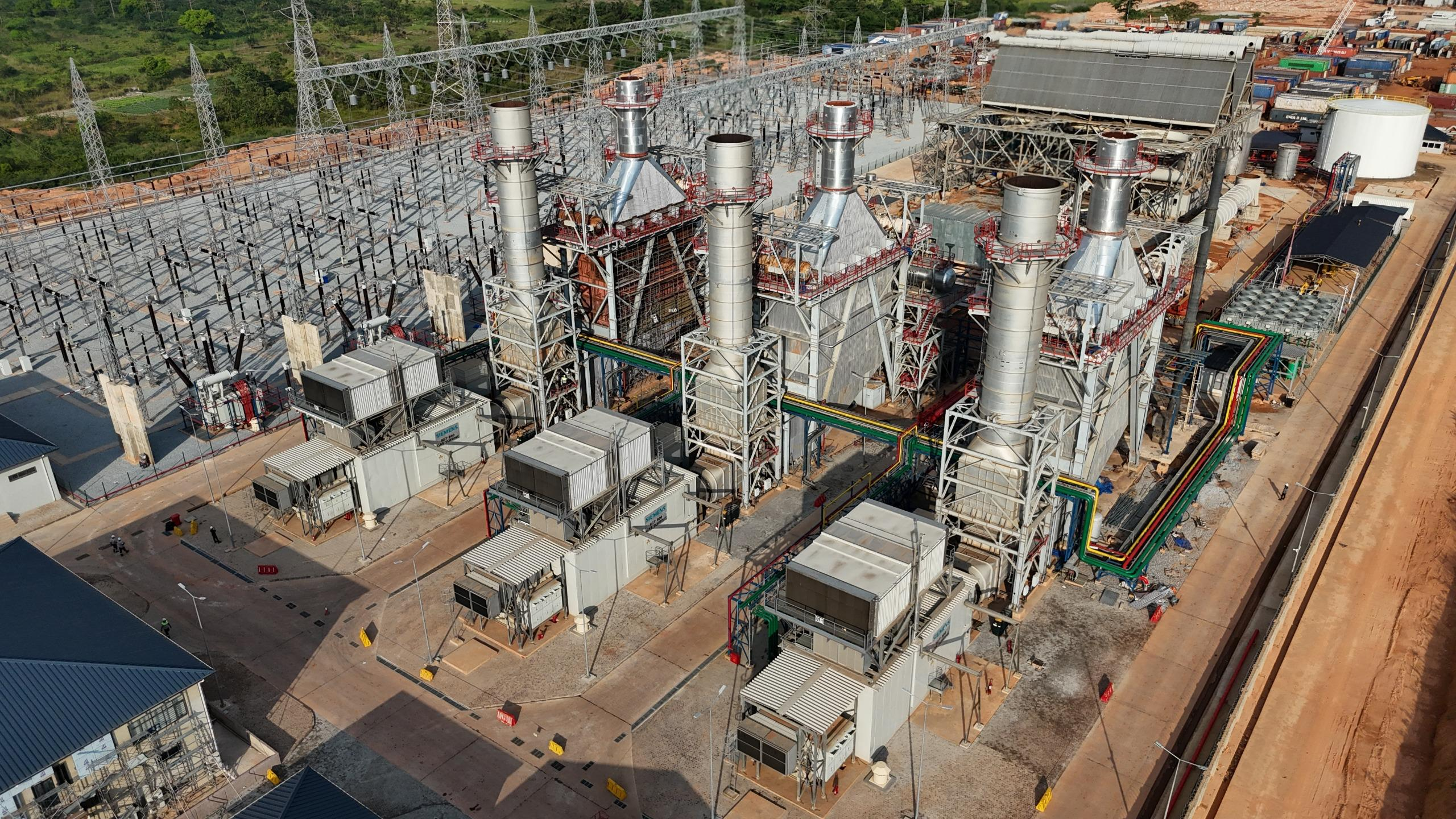
Systems are designed for phased deployment, allowing incremental capacity expansion without full system replacement.
Modular construction enables faster implementation, reduced capital risk, and scalable growth aligned with operational and financial objectives.
VALIDATE SYSTEM CONTINUITY
Ensuring Continuous, Reliable System Performance
Astero evaluates whether energy production, fuel continuity, and infrastructure integration can operate as a stable, long-duration system.
This includes assessing flow reliability, pressure sustainability, thermal continuity, and operational integration across both subsurface and surface systems.
Flow Continuity
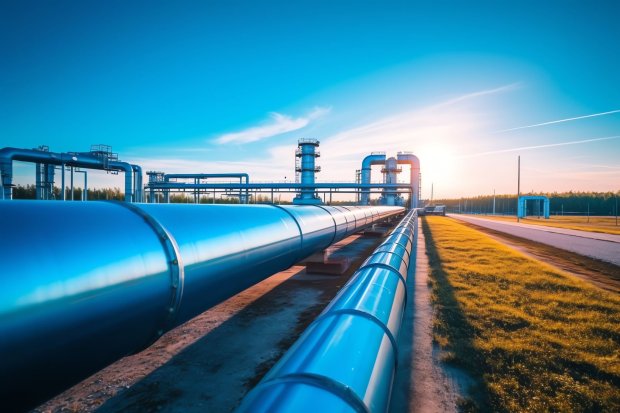
Astero evaluates whether fluid movement through the system can be sustained without interruption across production, processing, and conversion stages.
This includes assessing flow rate stability, system routing efficiency, and the ability to maintain continuous throughput across interconnected infrastructure.
Pressure & Thermal Sustainability
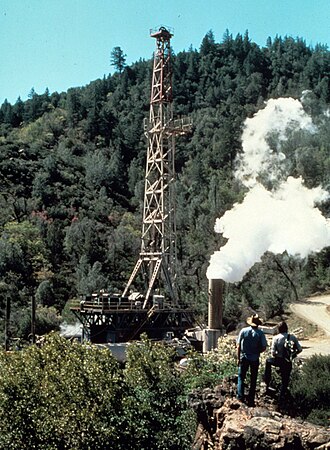
Subsurface pressure regimes and thermal conditions are evaluated to determine whether energy extraction can be sustained over time without degradation.
This ensures that both pressure-driven and thermal energy pathways remain viable under continuous operation and long-duration production scenarios.
Operational Integration
All subsurface, surface, and power systems are evaluated as a single operational platform to ensure coordinated performance.
This includes system synchronization, reliability of interconnected components, and the ability to operate continuously without introducing instability or failure points.
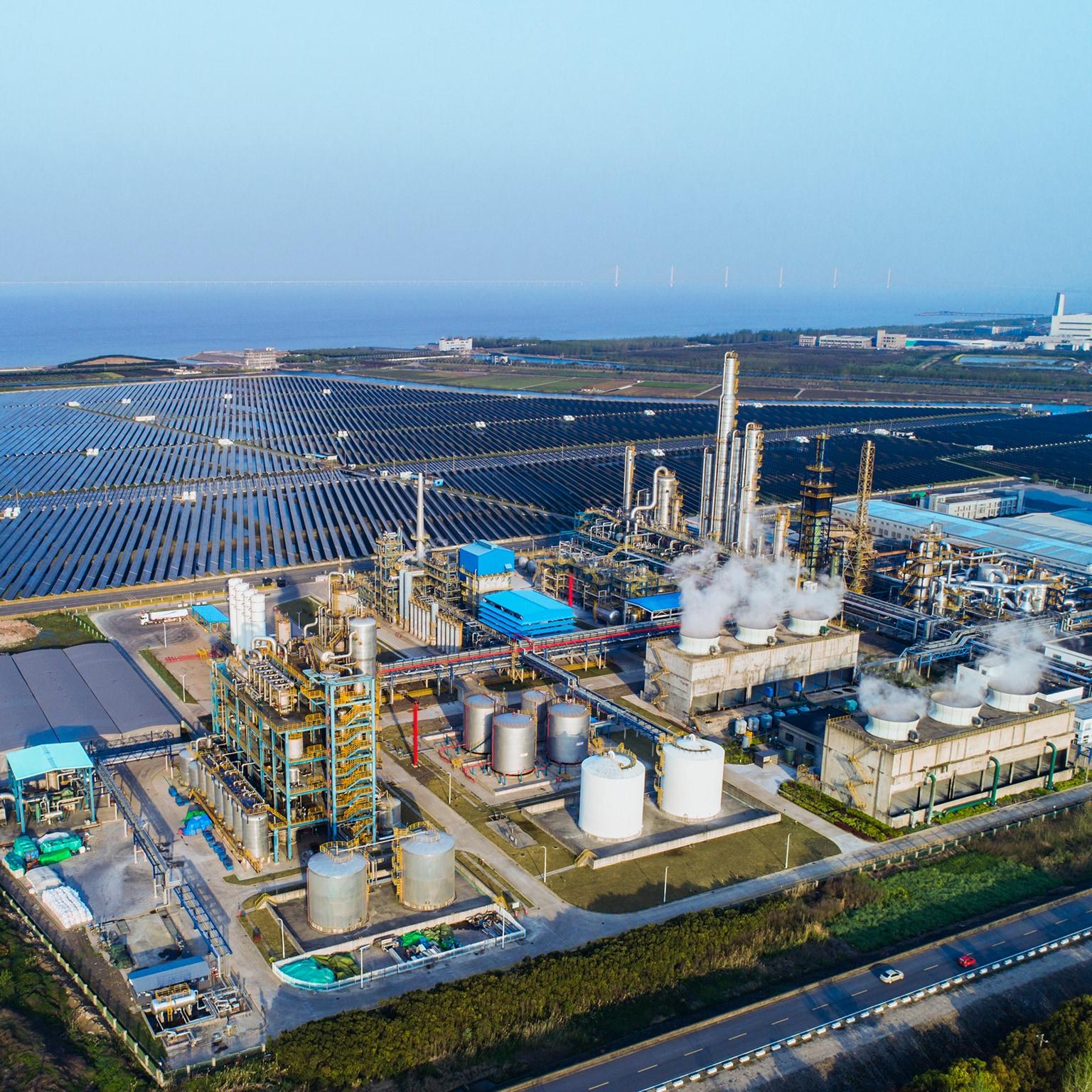
From System Validation to Economic Output
Once system continuity is confirmed, the focus shifts from engineering validation to defining how that system performs as infrastructure.
Astero translates validated system design into a structured pathway—from site evaluation and integration strategy to quantifiable energy production, revenue generation, and long-term asset value.
THE ASTERO EVALUATION PROCESS
From Site Assessment to Deployable System Design
A structured engineering workflow that moves from constraint identification to validated system design and economic definition.
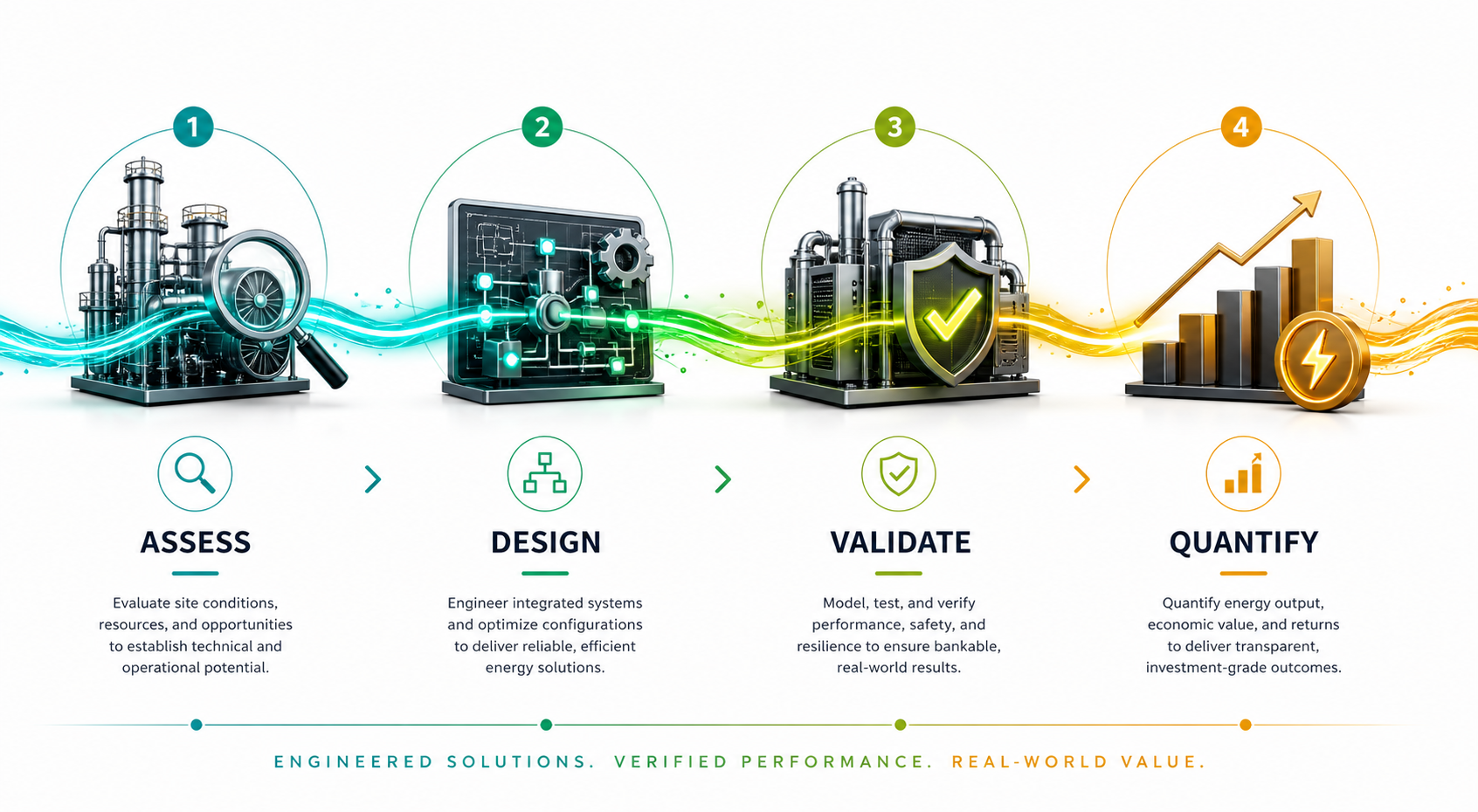
Astero’s evaluation process moves from constraint identification to validated system design and economic definition. Each phase answers a critical customer and investor question: what is limiting the site, how the system can be integrated, whether it can operate continuously, and what value it can produce.
Site & Constraint Assessment
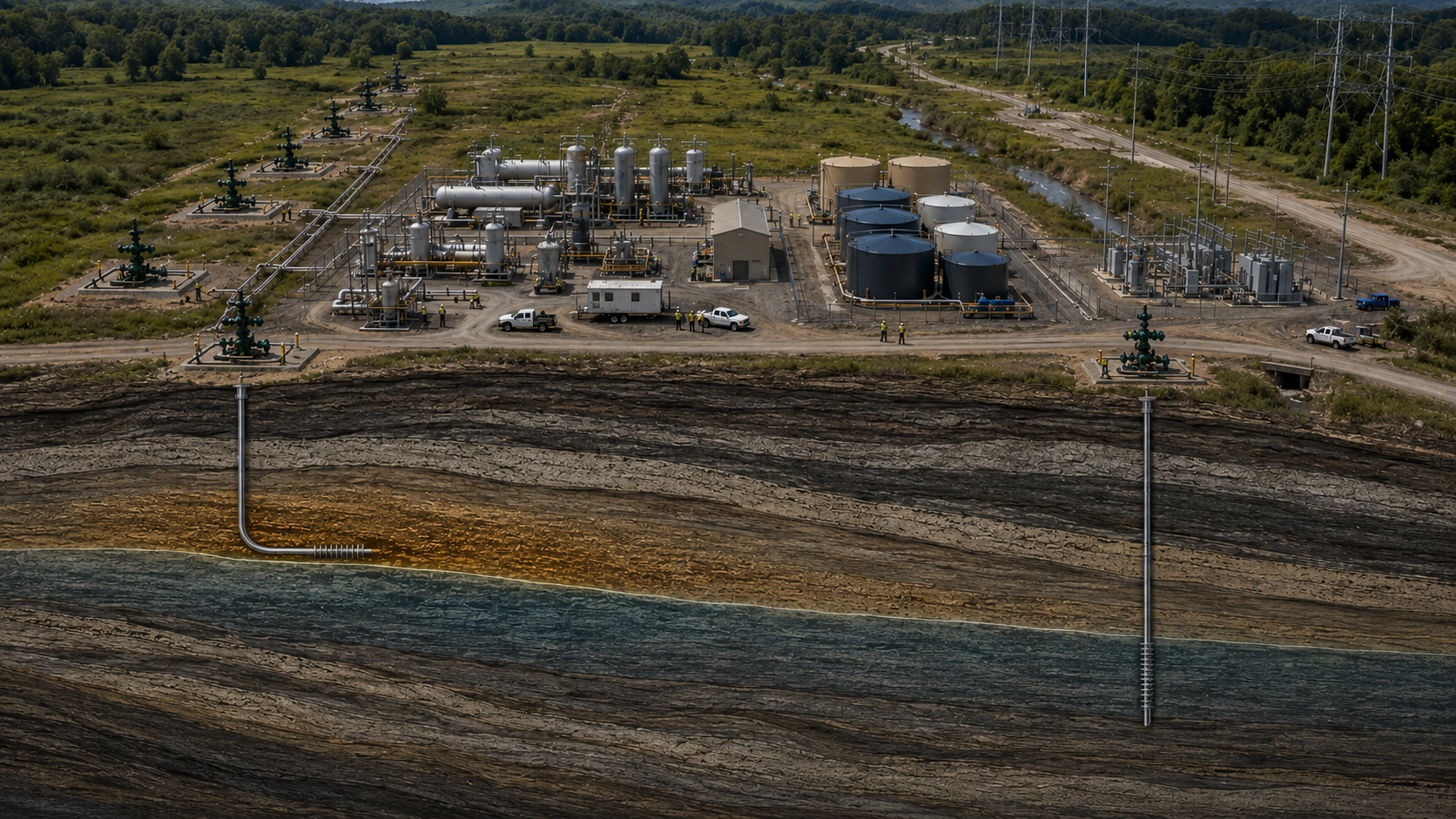
Astero establishes a comprehensive understanding of the existing operation by evaluating surface infrastructure, subsurface conditions, operational performance, available data, and site constraints to determine both what the site is currently producing and what additional long-term energy opportunities may exist.
The assessment examines existing facilities, wells, production history, fluid characteristics, power infrastructure, land availability, access, permitting considerations, and subsurface resource potential—including thermal, hydraulic, chemical, mineral, and storage opportunities—to define the technical, operational, and commercial constraints that will guide system design.
Questions Addressed
A. What is limiting your operation from producing more value?
B. Where is value being lost?
C. Which constraints must be solved first?
D. Is this site technically and commercially worth evaluating further?
What This Provides
A clear constraint map identifying the technical, operational, regulatory, and economic factors limiting site value.
Key Elements
- Power & Load Constraints
- Fuel & Resource Constraints
- Infrastructure Constraints
- Subsurface Conditions
- Flow & Operability
- Economic Constraints
- Regulatory & Permitting
- Expansion & Scalability Potential
- System Integration Readiness
- Risk Profile
Integration Strategy Design
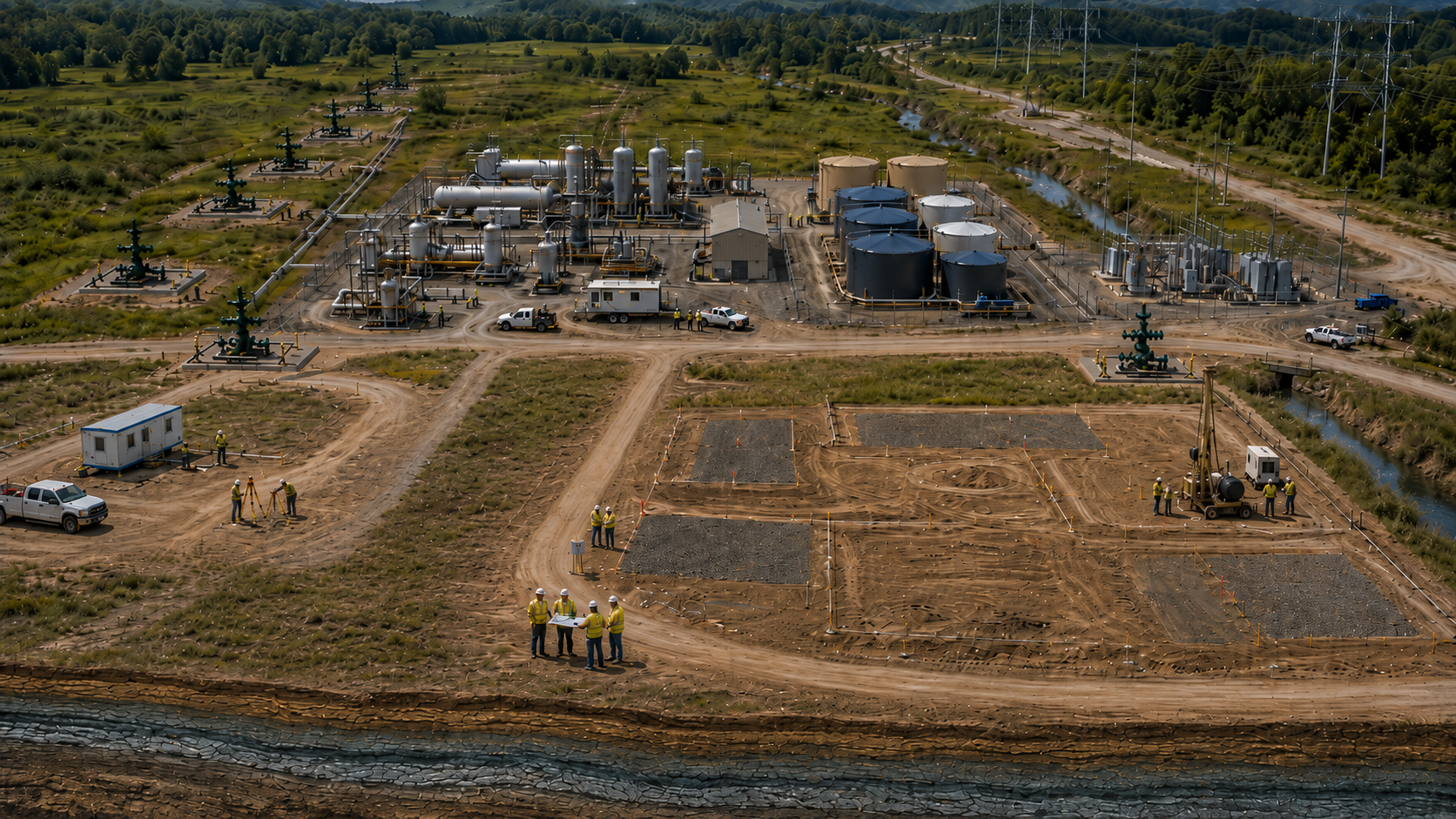
Astero transforms the Site & Constraint Assessment into an integrated engineering strategy by defining how existing wells, surface infrastructure, subsurface resources, utilities, and available land can be coordinated into one scalable energy platform.
Multiple energy pathways—including thermal, hydraulic, chemical, and electrical systems—are evaluated together to determine how energy can be recovered, converted, transported, and delivered using both existing and new infrastructure. The evaluation also defines facility layout, well utilization, gathering systems, injection strategy, power generation, transmission, phased expansion, and long-term operational integration while respecting site constraints, permitting requirements, and future growth objectives.
Questions Addressed
A. How will my existing site be transformed into a working energy system?
B. Where does the energy come from?
C. How is it captured and converted?
D. What equipment is required?
E. Will this disrupt operations?
Can the system scale over time?
What This Provides
A site-specific system architecture showing how energy is captured, routed, converted, and integrated into existing infrastructure.
Key Elements
- Energy Pathway Identification
- Capture Points
- Flow Routing
- Conversion Technology Selection
- Surface Integration
- Subsurface-Surface Alignment
- Power Architecture
- Modular Design
- Redundancy
- Retrofit Requirements
- Deployment Strategy
System Continuity Validation
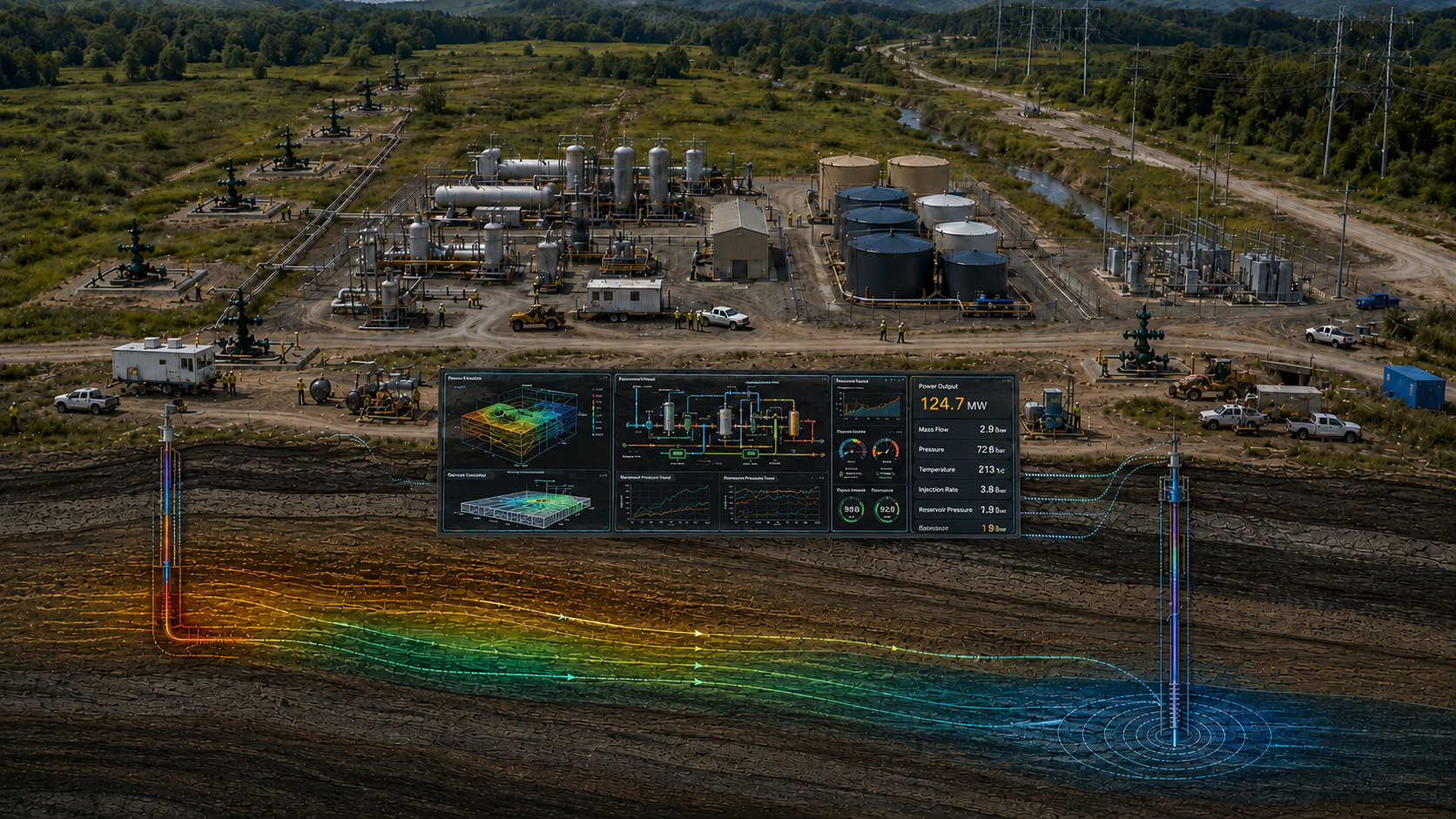
Astero validates that the integrated energy system can operate as a reliable, long-duration infrastructure asset by confirming reservoir continuity, sustainable flow capacity, thermal performance, pressure support, infrastructure capability, and operational reliability.
This evaluation verifies that the proposed production, conversion, reinjection, and power-delivery systems function together as one coordinated platform capable of delivering continuous, commercially sustainable operation before advancing to final system definition and economic validation.
Questions Addressed
A. Will the system operate continuously?
B. Can flow, pressure, and heat be sustained?
C. Where are the operational risks?
D. Can this support baseload or mission-critical power?
E. Is the system reliable enough for infrastructure investment?
What This Provides
A reliability assessment confirming whether the integrated system can support long-duration, continuous operation under real-world conditions.
Key Elements
- Flow Continuity
- Reservoir Pressure Sustainability
- Thermal Stability
- Fuel Continuity
- Equipment Reliability
- System Synchronization
- Operational Control
- System Weak-Point Identification
Deployable System Definition
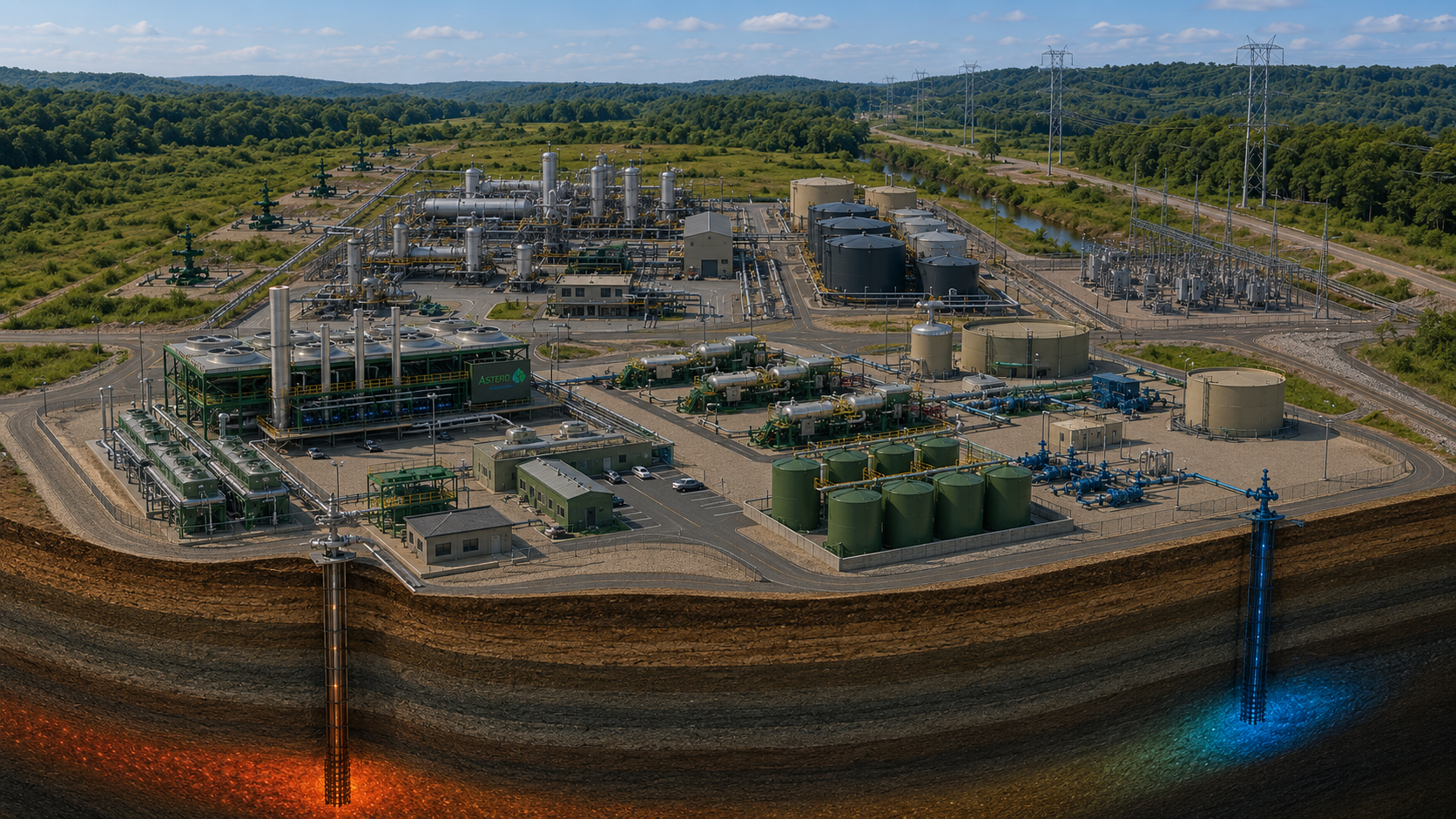
Astero converts the validated engineering concept into a deployable energy infrastructure program by defining the complete system configuration, construction strategy, commercial performance, and long-term operating model.
Every major system component—including wells, gathering infrastructure, processing equipment, power generation, fluid management, electrical interconnection, and future expansion—is integrated into a phased deployment plan that can be engineered, permitted, financed, constructed, and operated.
The result is a fully defined project that establishes technical scope, capital requirements, revenue potential, infrastructure value, and a practical development pathway from concept to commercial operation.
Questions Addressed
A. What should actually be built?
B. How should the project be deployed?
C. What can the completed system produce?
D. What revenue pathways are available?
E. What are the financial returns?
F. Is the project investable?
G. How does this improve asset value?
H. What is the optimal development pathway?
What This Provides
An economic framework defining potential power output, revenue pathways, capital alignment, and long-term asset value.
Key Elements
- Final engineered system architecture
- Modular deployment configuration
- Well program and completion strategy
- Surface facility and infrastructure layout
- Power generation and electrical integration design
- Fluid processing and injection strategy
- Construction and commissioning plan
- Capital and operating cost definition
- Production and revenue forecast
- Economic value assessment
- Investment decision package
- Commercial development roadmap
Commercial & Economic Definition
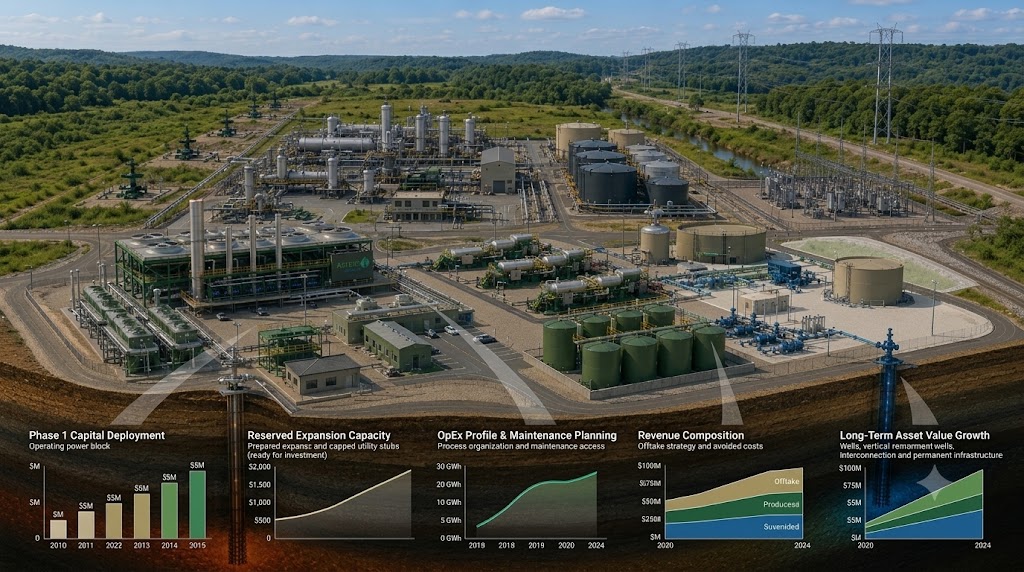
Astero transforms the deployable system definition into a complete commercial and investment framework by quantifying long-term project economics, revenue potential, capital requirements, risk, and infrastructure value.
Technical performance, resource recovery, power production, capital deployment, operating costs, and market opportunities are integrated into a comprehensive business case that supports investment decisions, project financing, phased implementation, and long-term asset ownership.
The result is a commercially validated development strategy that aligns engineering performance with financial returns, operational objectives, and sustainable infrastructure growth.
Questions Addressed
A. What is the project's long-term economic value?
B. What revenue pathways are commercially viable?
C. What capital investment is required?
D. What are the expected operating costs and lifecycle performance?
E. What are the financial returns?
F. What risks remain?
G. Is the project investment ready?
H. What is the recommended commercial development strategy?
What This Provides
An economic framework defining potential power output, revenue pathways, capital alignment, and long-term asset value.
Key Elements
- Project economic model
- Revenue forecast
- Capital expenditure (CAPEX) estimate
- Operating expenditure (OPEX) forecast
- Cash-flow projection
- NPV, IRR, and payback analysis
- Revenue diversification strategy
- Infrastructure value assessment
- Risk register and mitigation plan
- Investment readiness assessment
- Commercial implementation roadmap
- Executive investment decision package
A Structured Path from Constraint to Value
The Astero Evaluation Process converts site uncertainty into an actionable development pathway: identify constraints, design integration, validate continuity, and quantify output.
Define Your Site’s Pathway
Begin the evaluation process to identify constraints, define system architecture, and establish a deployment-ready energy solution aligned with your operational and financial objectives.
INFRASTRUCTURE CAPABILITY
Built for Infrastructure-Scale Deployment
Astero combines subsurface intelligence, surface engineering, and power system architecture to deliver technically credible, commercially executable energy systems designed for long-duration, infrastructure-scale deployment.
Subsurface & Reservoir Expertise
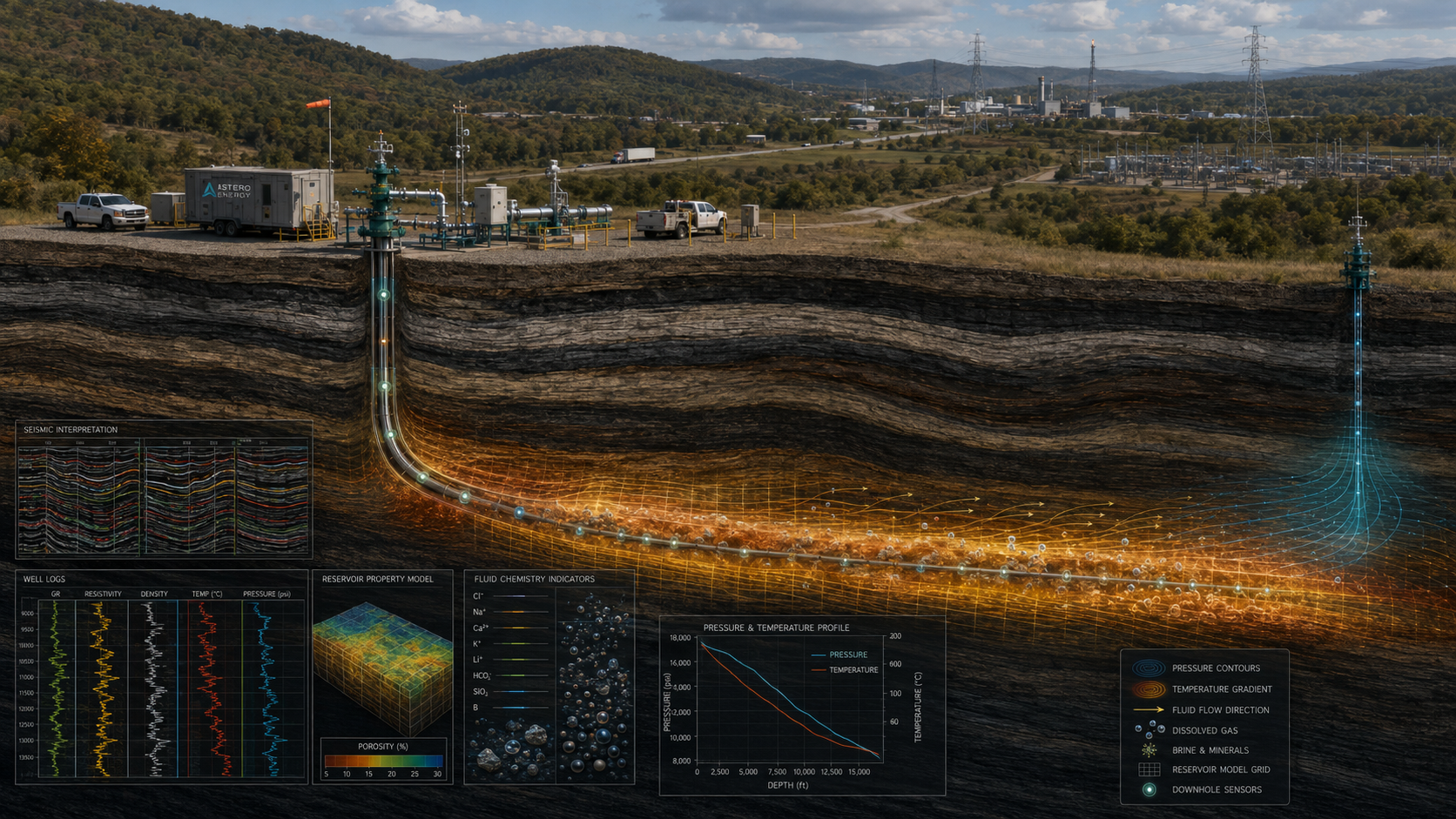
Astero evaluates the reservoir as a continuous energy system—integrating thermal, pressure, and chemical domains to define extractable energy potential.
Surface & System Engineering
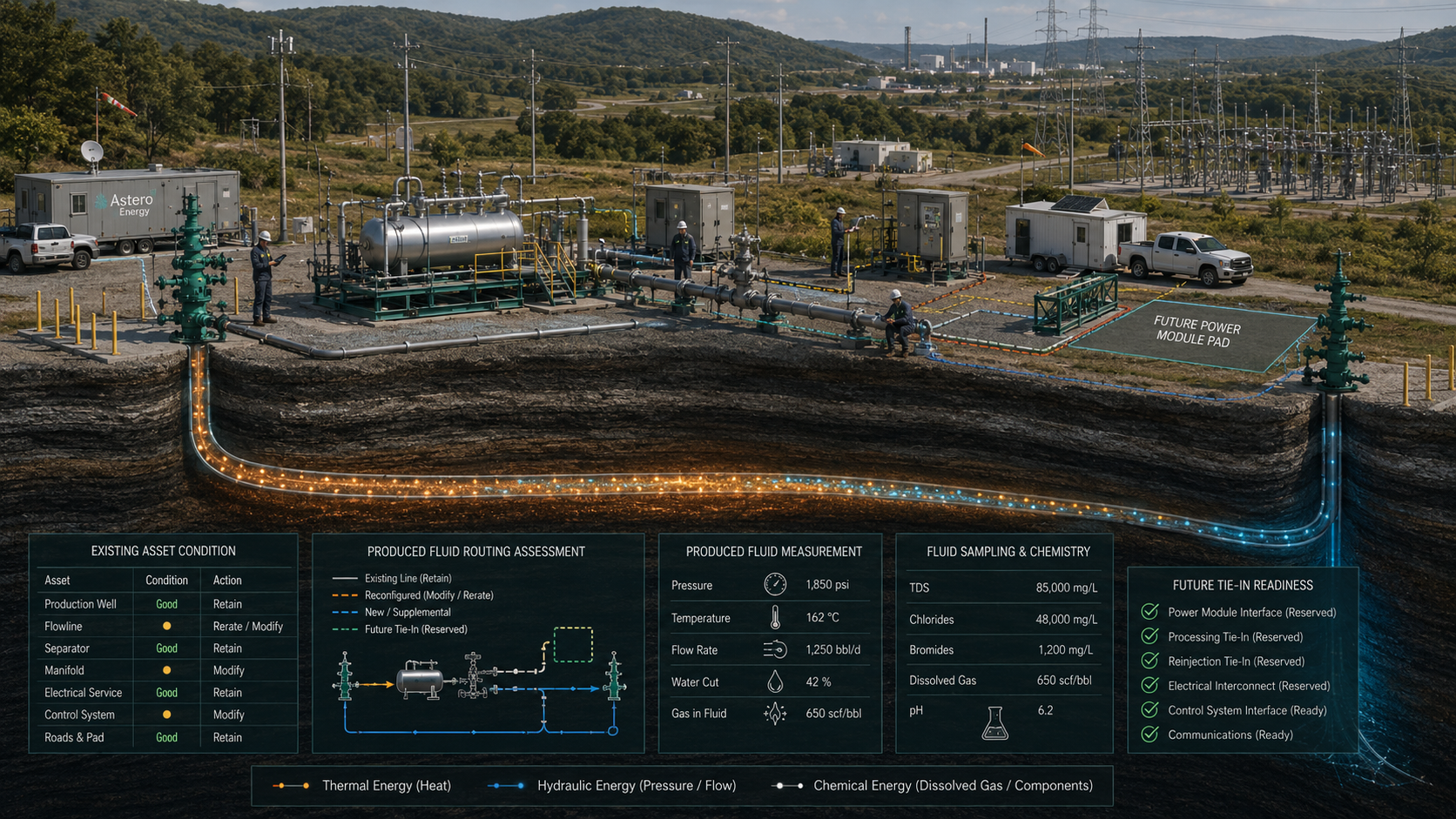
Existing infrastructure is reconfigured into coordinated systems that capture, route, and convert energy without replacing core assets.
Power & Infrastructure Design
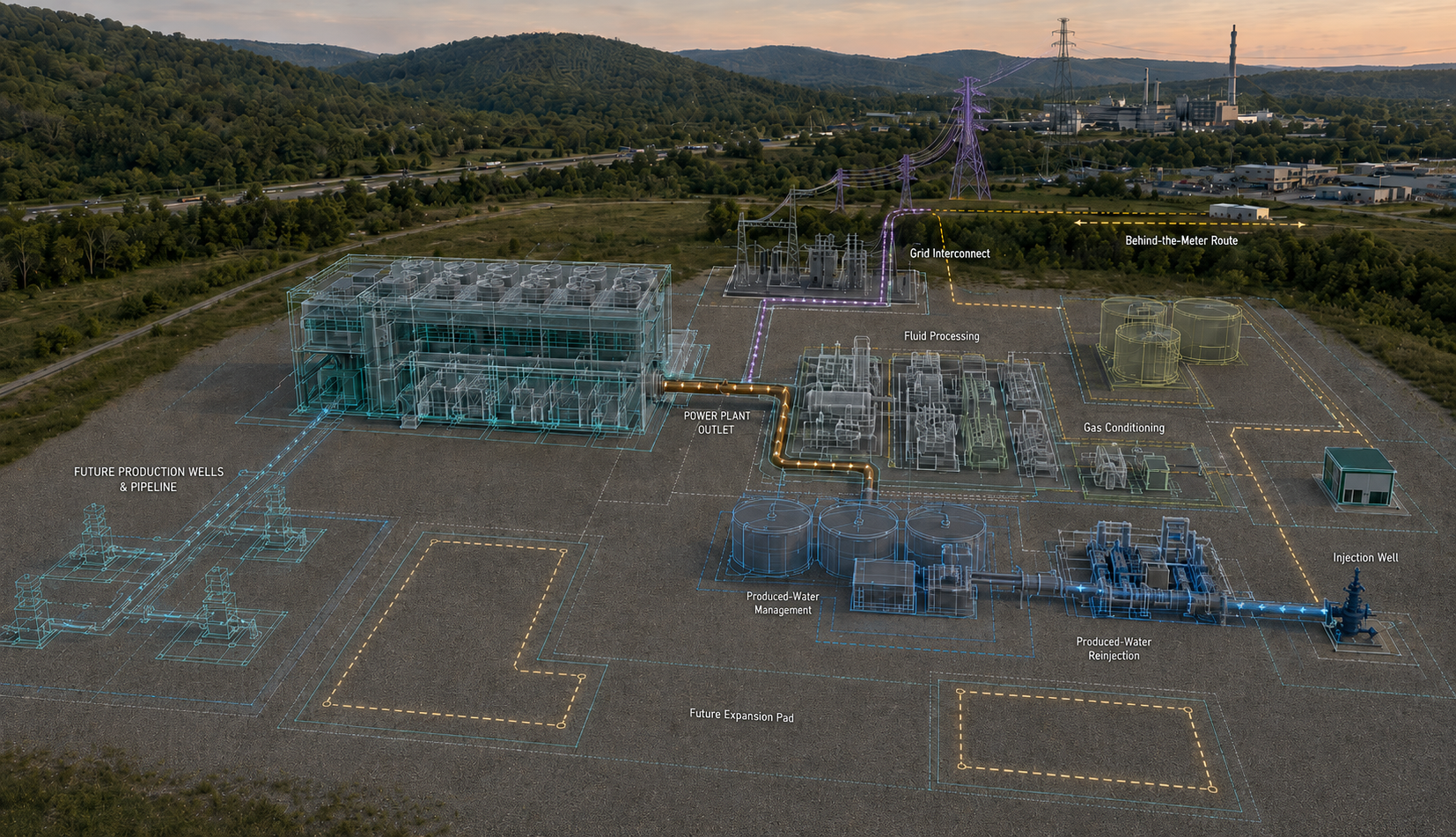
Systems are designed for baseload generation, coproduction pathways, and grid or behind-the-meter integration.
Scalable Infrastructure Deployment
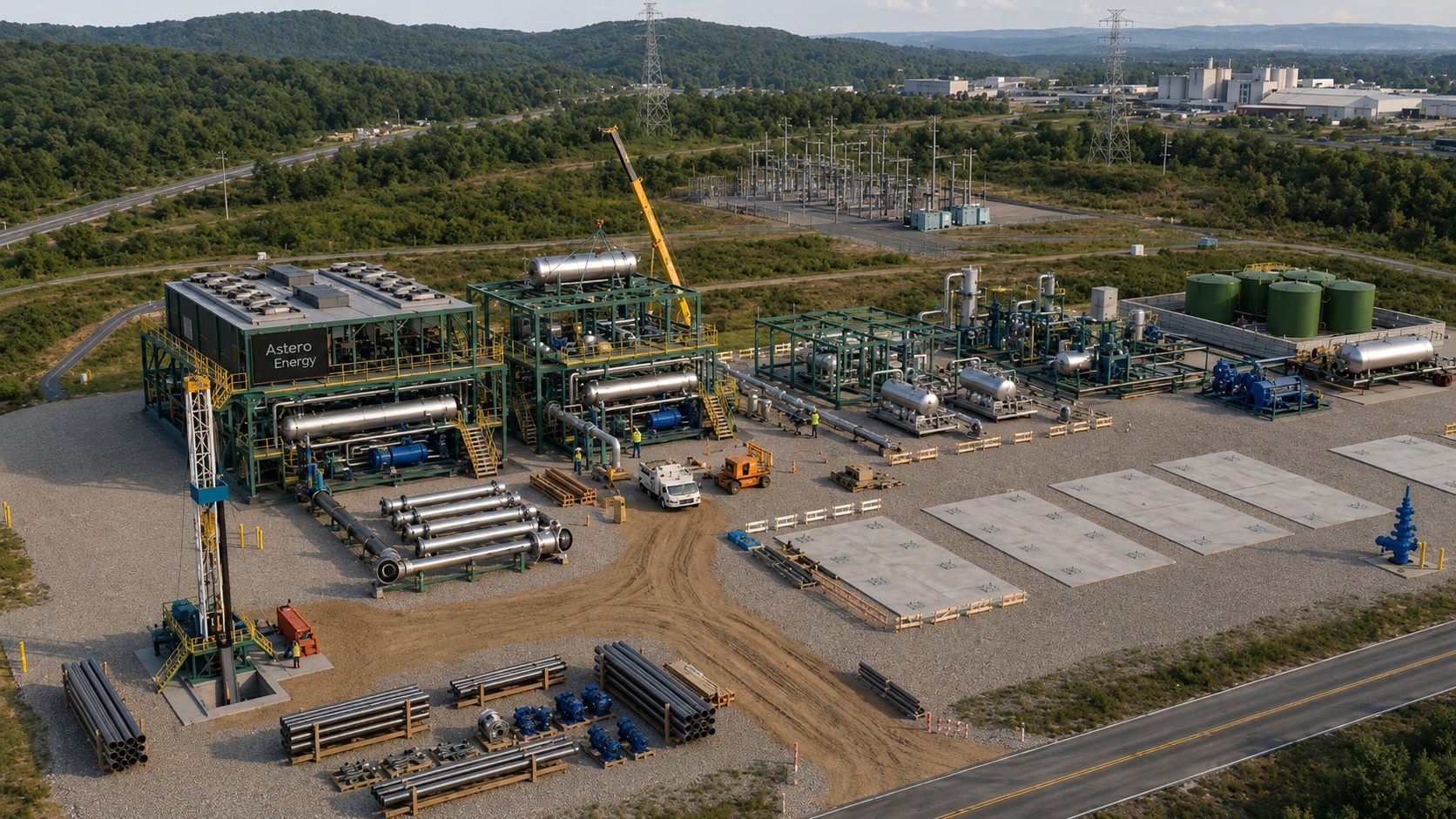
Modular architectures enable phased expansion, reduced capital risk, and repeatable infrastructure growth.
Every site contains a unique combination of thermal, pressure, and chemical energy. The first step is identifying what’s currently being lost—and what can be captured.
Ready to Provide More Project Detail?
Share detailed site, reservoir, infrastructure, and power requirement information so Astero can complete a more focused technical review.
Preliminary Site Evaluation Information
Site Evaluation Request