
Energy Infrastructure Advisory
Astero Infrastructure Advisory provides independent evaluation of fuel architecture and energy infrastructure risk for large-scale power generation projects. Our focus is systems-level analysis of fuel delivery performance, infrastructure resilience, and alignment between generation design and physical supply capability.
As hyperscale data centers and private-grid deployments expand across Texas and beyond, reliable fuel delivery becomes a foundational determinant of infrastructure performance. Assumptions made during early-stage design — regarding throughput capacity, redundancy configuration, compression margin, interconnect architecture, and lifecycle cost exposure — can materially influence long-term reliability, financing stability, and operational predictability.
Astero supports infrastructure owners, developers, and investors by identifying embedded risk within the fuel delivery chain before capital is committed and operational exposure is locked into system design. Our role is advisory and independent — focused on disciplined evaluation of infrastructure resilience rather than procurement, construction, or plant engineering execution.
What We Provide
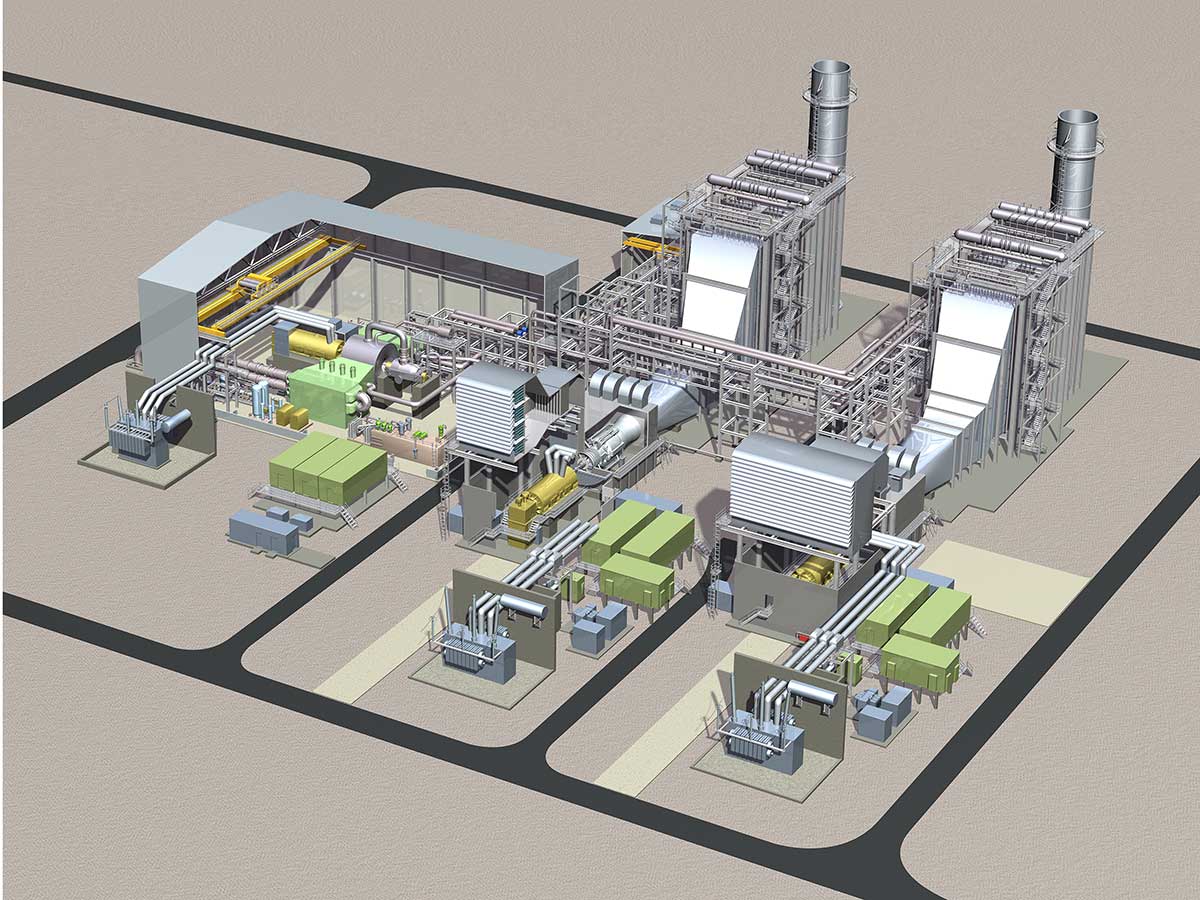
Astero Infrastructure Advisory provides structured evaluation of fuel delivery systems and generation alignment for multi-gigawatt power infrastructure projects. Our services focus on identifying systemic exposure within the fuel architecture before it is embedded into plant design, financing structures, and operational commitments.
Core advisory services include:
• Multi-gigawatt fuel throughput modeling
• Pipeline interconnect and redundancy evaluation
• Compression architecture assessment
• Maintenance and outage exposure modeling
• Private-grid fuel resilience strategy development
• Lifecycle fuel cost and volatility risk analysis
• Interface evaluation between generation configuration and fuel delivery capability
Engagements are structured to support early-stage development, independent technical review, pre-financing due diligence, and resilience validation for private-grid infrastructure deployments.
What Sets Us Apart
Most engineering scopes evaluate individual components — the turbine, the plant, the pipeline, or the supply contract. Few evaluate the fuel delivery system as an integrated performance architecture.
Astero approaches fuel delivery as a systems-level infrastructure variable that directly determines dispatch reliability, ramp performance, and long-term economic stability. Our background across upstream production systems, compression infrastructure, transmission interfaces, and large-scale energy facility development enables cross-boundary analysis that traditional single-discipline reviews often overlook.
We operate independently of construction, procurement, and equipment supply. This independence allows objective evaluation of risk without commercial bias toward a specific technology, vendor, or project execution path.

The Infrastructure Risk
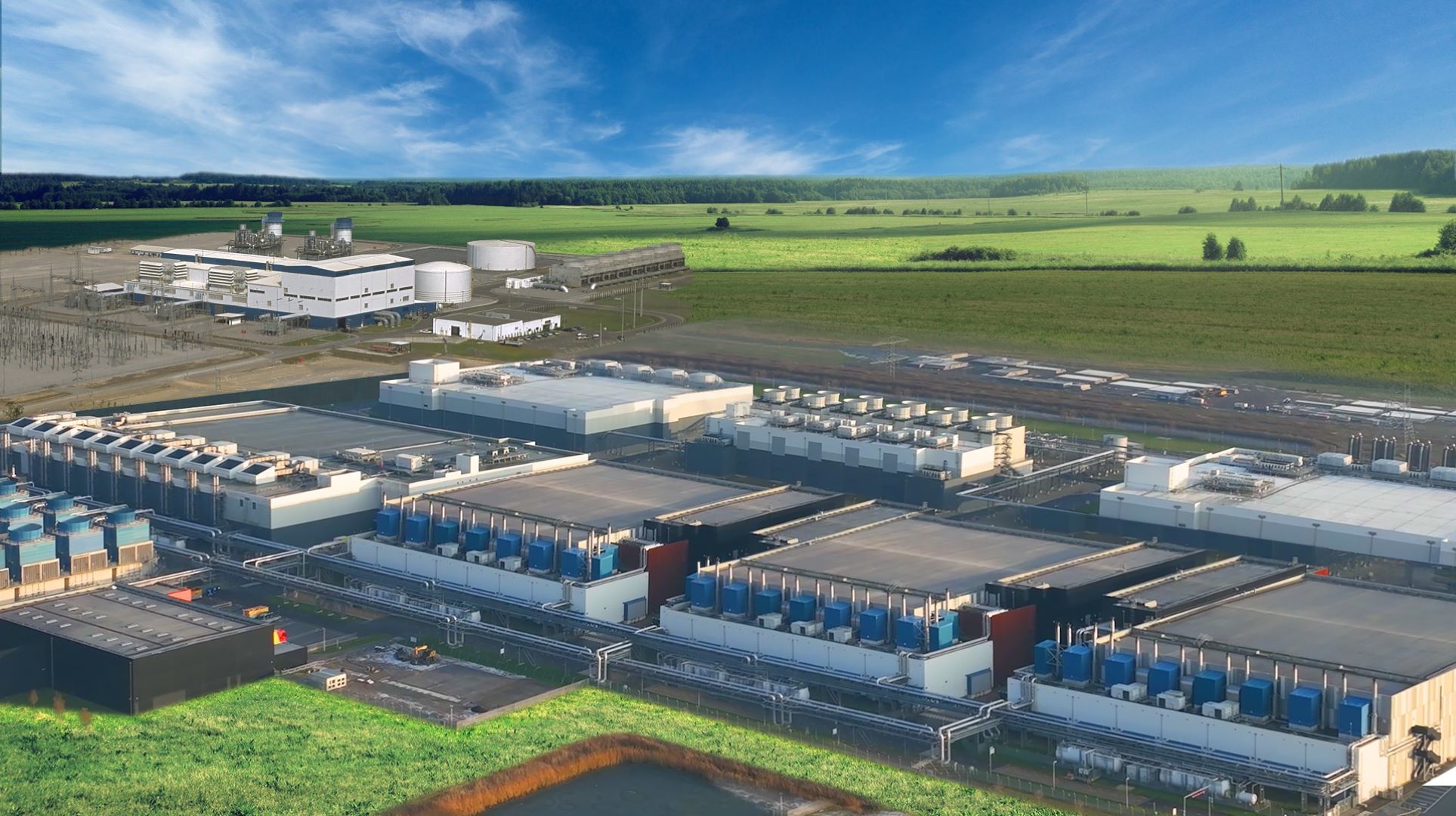
Hyperscale AI data centers and private-grid power facilities operate under increasingly strict reliability expectations. Projects commonly face the following exposure:
- Assumed redundancy that is not physically independent
- Contracted pipeline capacity that may not be fully deliverable under stress
- Compression constraints limiting ramp capability
- Maintenance overlap reducing available throughput
- Curtailment exposure during extreme weather events
- Misalignment between turbine configuration and fuel pressure dynamics
- Fuel cost modeling assumptions not fully aligned with infrastructure reality
When these issues are identified after construction or financial close, corrective measures can be costly and operationally disruptive.
How We Create Value
Astero identifies infrastructure exposure early — before design decisions are finalized and capital is committed.
By evaluating the full fuel delivery chain as an integrated system, we support:
- More resilient infrastructure design
- Improved alignment between reliability targets and physical capability
- Reduced risk of embedded throughput constraints
- Stronger due diligence positioning for lenders and investors
- Greater operational predictability across the asset lifecycle
The value is not theoretical optimization. The value is disciplined risk identification, improved decision clarity, and infrastructure resilience aligned with long-term performance expectations.
Core Capabilities
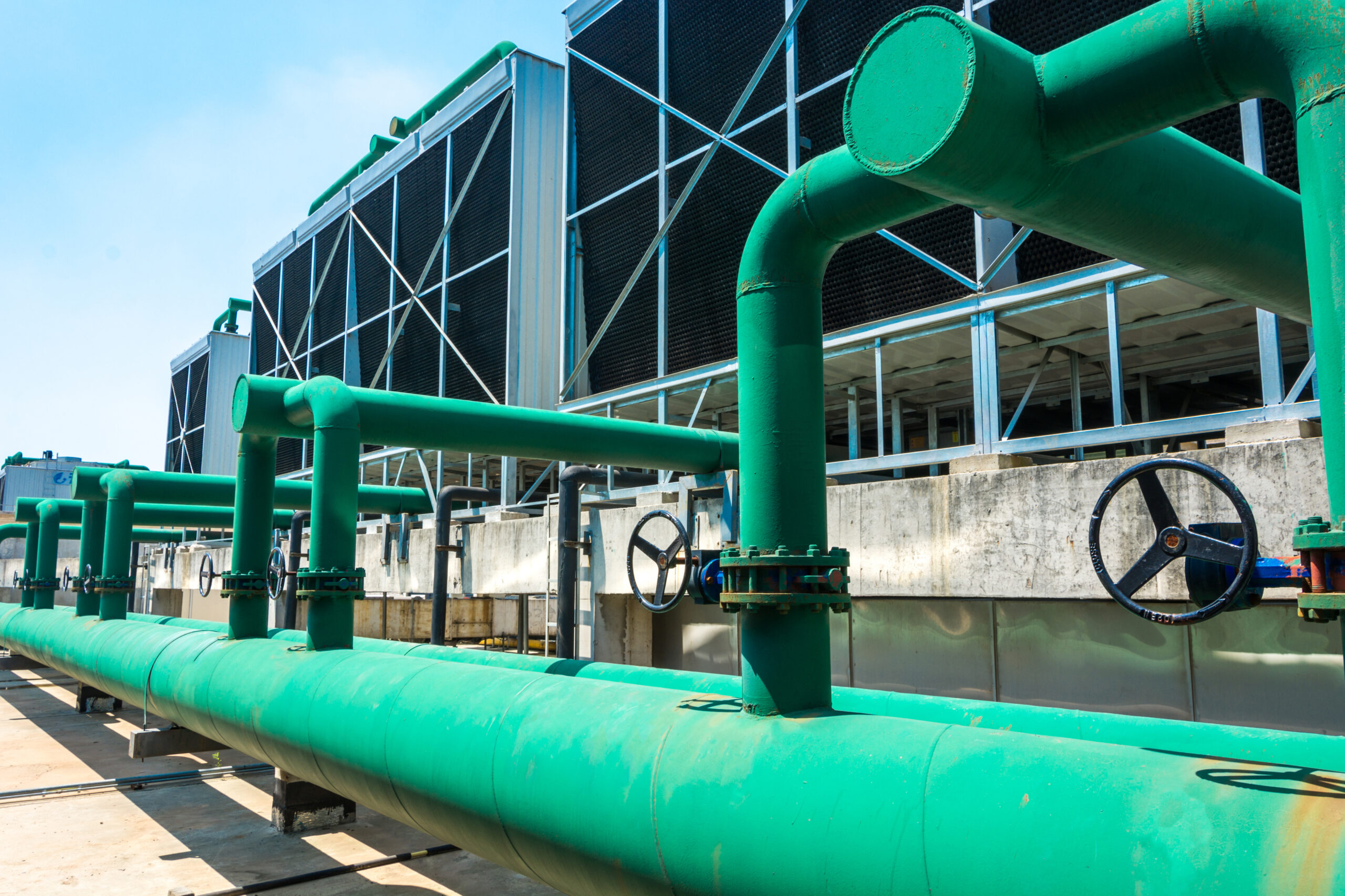
Astero Infrastructure Advisory provides structured evaluation of fuel architecture supporting multi-gigawatt power generation portfolios. Our focus is integrated fuel delivery performance — ensuring that upstream supply, transmission capacity, compression infrastructure, and plant interconnect configuration are aligned with reliability targets, operational requirements, and financing assumptions. The objective is disciplined risk reduction before capital is committed and operational exposure is embedded into infrastructure design.
Fuel Throughput Modeling
Why This Matters
At multi-gigawatt scale, sustained fuel delivery must match peak turbine dispatch requirements under all operating conditions. Contracted pipeline capacity alone does not guarantee stable pressure, ramp capability, or deliverable volume during system stress. Throughput constraints, pressure instability, or compression limitations can result in derates, ramp delays, or reduced reliability performance.
What We Evaluate
- Peak and sustained volumetric fuel requirements relative to contracted capacity
- Pressure stability across transmission and plant interconnect under maximum dispatch
- Compression performance and margin under full load and ramp events
- Ramp-rate sensitivity for fast-start and load-following turbine configurations
- Contingency throughput performance during regional demand spikes or asset failure
Client Outcome
Validated alignment between fuel delivery capability and generation demand — reducing the risk of embedded throughput constraints, operational derates, or reliability shortfalls before infrastructure design and financing assumptions are finalized.
Pipeline Interconnect & Redundancy Evaluation
Why This Matters
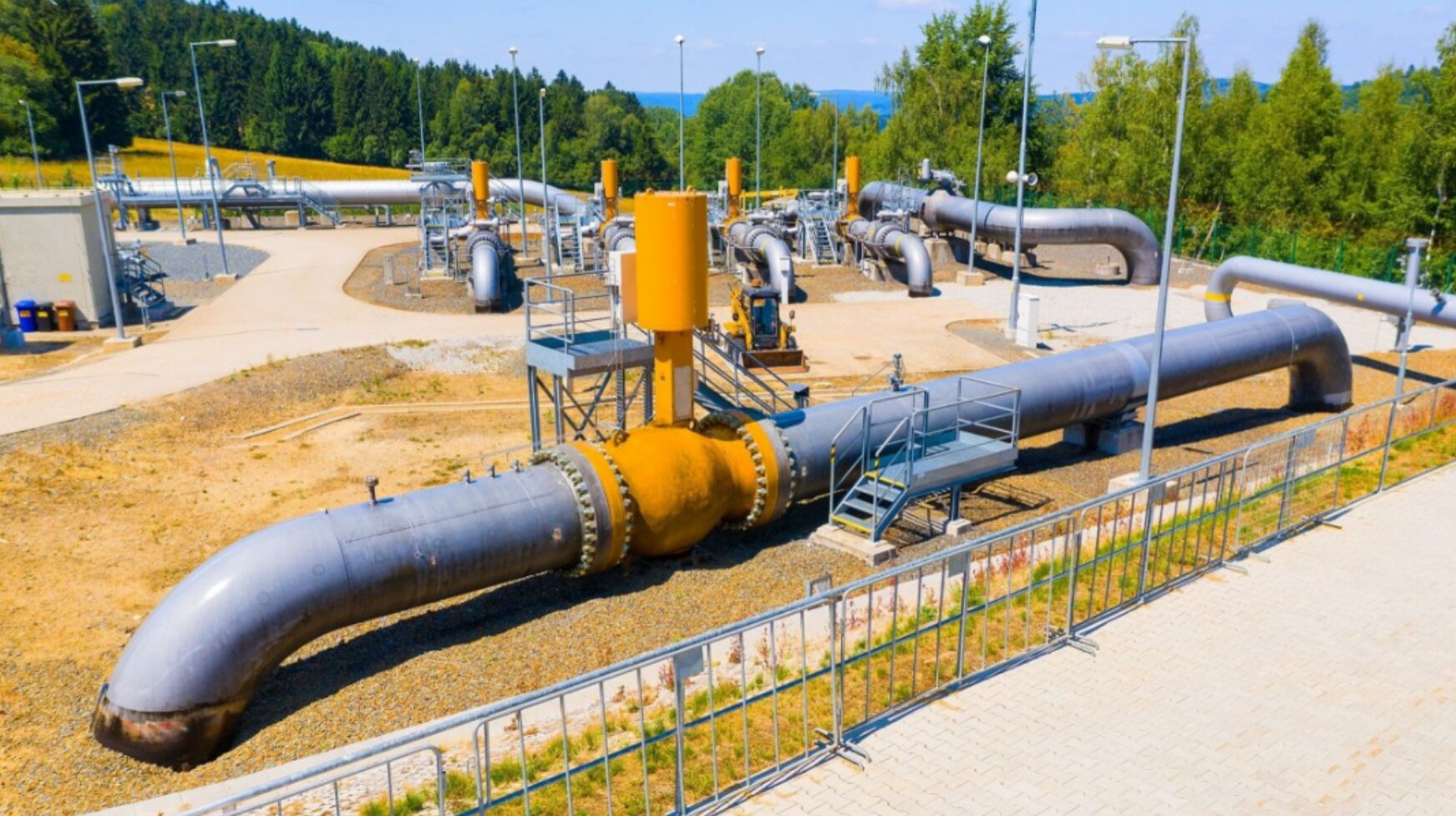
At multi-gigawatt scale, fuel redundancy assumptions must be physically validated. Multiple pipeline connections do not automatically create independent supply paths. Upstream convergence, shared compression corridors, or overlapping maintenance exposure can create hidden single-point vulnerabilities.
What We Evaluate
- Physical interconnect configuration and independence
- Upstream convergence and shared infrastructure risk
- Contracted capacity vs. deliverable capacity under stress
- Alternate routing capability and contingency performance
- Maintenance sequencing and outage overlap exposure
Client Outcome
Validated redundancy architecture that aligns with reliability targets, financing assumptions, and operational resilience requirements before capital is committed.
Compression Architecture Assessment
Why This Matters
At multi-gigawatt scale, compression infrastructure is a critical determinant of fuel pressure stability and delivery reliability. Even when upstream supply and pipeline capacity appear adequate, insufficient compression margin, inadequate redundancy, or poorly sequenced maintenance can restrict flow, limit turbine ramp capability, or expose the facility to pressure instability during peak dispatch.
What We Evaluate
- Installed compression capacity relative to peak generation demand
- Redundancy configuration and single-point-of-failure exposure
- Pressure management capability during ramp and load-following events
- Maintenance sequencing impacts on available compression margin
- Operational flexibility under contingency or regional stress conditions
Client Outcome
Validated compression architecture that supports stable pressure, sustained throughput, and ramp performance — reducing the risk of operational constraints, derates, or reliability exposure before commissioning and long-term dispatch commitments.
Maintenance & Outage Exposure Modeling
Why This Matters
At multi-gigawatt scale, maintenance planning across fuel delivery and generation infrastructure must be coordinated to avoid overlapping exposure. Planned outages in compression, transmission, or interconnect infrastructure can materially reduce available throughput. When combined with turbine maintenance schedules or unexpected asset failures, these overlaps can create compounded reliability risk and reduced dispatch capability.
What We Evaluate
- Scheduled maintenance sequencing across compression, transmission, and generation assets
- Overlapping outage exposure and compounded capacity reductions
- Redundancy performance during planned maintenance windows
- Contingency response capability under simultaneous asset constraints
- Alignment between maintenance strategy and reliability targets
Client Outcome
Improved visibility into coordinated maintenance risk — enabling infrastructure owners to adjust sequencing, preserve throughput margin, and protect reliability performance before operational exposure affects dispatch commitments or service-level obligations.
Private-Grid Resilience Strategy
Why This Matters
Private-grid power deployments remove dependence on the public transmission system, but they do not eliminate fuel delivery risk. At multi-gigawatt scale, the resilience of a private-grid facility is fundamentally determined by the strength, redundancy, and contingency planning embedded within its fuel architecture. Without deliberate resilience strategy, upstream disruptions, compression failures, or regional supply stress can directly translate into generation constraints.
What We Evaluate
- Layered redundancy across supply, transmission, and compression pathways
- Contingency planning for upstream disruption or curtailment events
- Operational flexibility under regional fuel system stress
- Alignment between resilience targets and physical infrastructure design
- Exposure to extreme weather, regional demand spikes, and regulatory constraints
Client Outcome
A structured fuel resilience framework aligned with private-grid reliability objectives — strengthening operational continuity, protecting long-term dispatch commitments, and supporting infrastructure performance expectations in high-availability environments.
Lifecycle Cost & Volatility Risk Analysis
Why This Matters
At multi-gigawatt scale, fuel cost exposure extends beyond short-term commodity pricing. Long-term operating economics depend on how contracted capacity structures, transport terms, basis differentials, and market volatility interact with dispatch strategy and reliability requirements. Misalignment between fuel cost assumptions and infrastructure configuration can materially affect project returns and financing stability over the asset lifecycle.
What We Evaluate
- Long-term fuel cost sensitivity under varying commodity price scenarios
- Basis exposure between supply basin and plant interconnect location
- Contracted transport structure (firm vs. interruptible) and associated risk
- Impact of curtailment or capacity constraints on operating cost assumptions
- Alignment between financial modeling inputs and physical delivery realities
Client Outcome
Improved clarity on long-term fuel cost exposure — enabling infrastructure owners and financiers to align operating assumptions with physical fuel architecture, strengthen economic resilience, and reduce embedded lifecycle volatility risk.
Interface Evaluation
Why This Matters
Power generation performance is directly influenced by fuel delivery characteristics. Turbine configuration, dispatch profile, ramp rate expectations, and redundancy strategy must be physically compatible with available pressure, throughput capacity, and fuel quality. When generation design assumptions are not fully aligned with delivery system capability, operational constraints and reliability exposure can be embedded into infrastructure from inception.
What We Evaluate
- Alignment between turbine ramp characteristics and available fuel pressure dynamics
- Compatibility of generation configuration with contracted throughput capacity
- Fuel quality specifications relative to turbine performance requirements
- Dispatch profile assumptions versus physical delivery constraints
- Redundancy expectations relative to actual delivery system architecture
Client Outcome
Integrated validation that generation design and fuel delivery systems operate as a unified performance architecture — reducing mismatch risk, protecting reliability targets, and strengthening long-term operational predictability before commissioning and financial close.
Who We Serve
Astero Infrastructure Advisory supports hyperscale data center developers, private-grid power project sponsors, infrastructure investors, and energy-intensive industrial operators evaluating multi-gigawatt generation deployments.
- AI data center developers
- Private-grid power sponsors
- Infrastructure investment groups
- Large industrial energy users
- Utilities evaluating dedicated generation
Strengthen Infrastructure Resilience at the Design Stage
Fuel architecture decisions made during development directly affect reliability performance, financing assumptions, and lifecycle economics. Independent systems-level evaluation provides clarity before commitments are locked into physical infrastructure.
Independent evaluation of fuel delivery systems can materially reduce operational exposure and protect long-term asset performance.
Schedule a confidential discussion to review your fuel architecture framework.